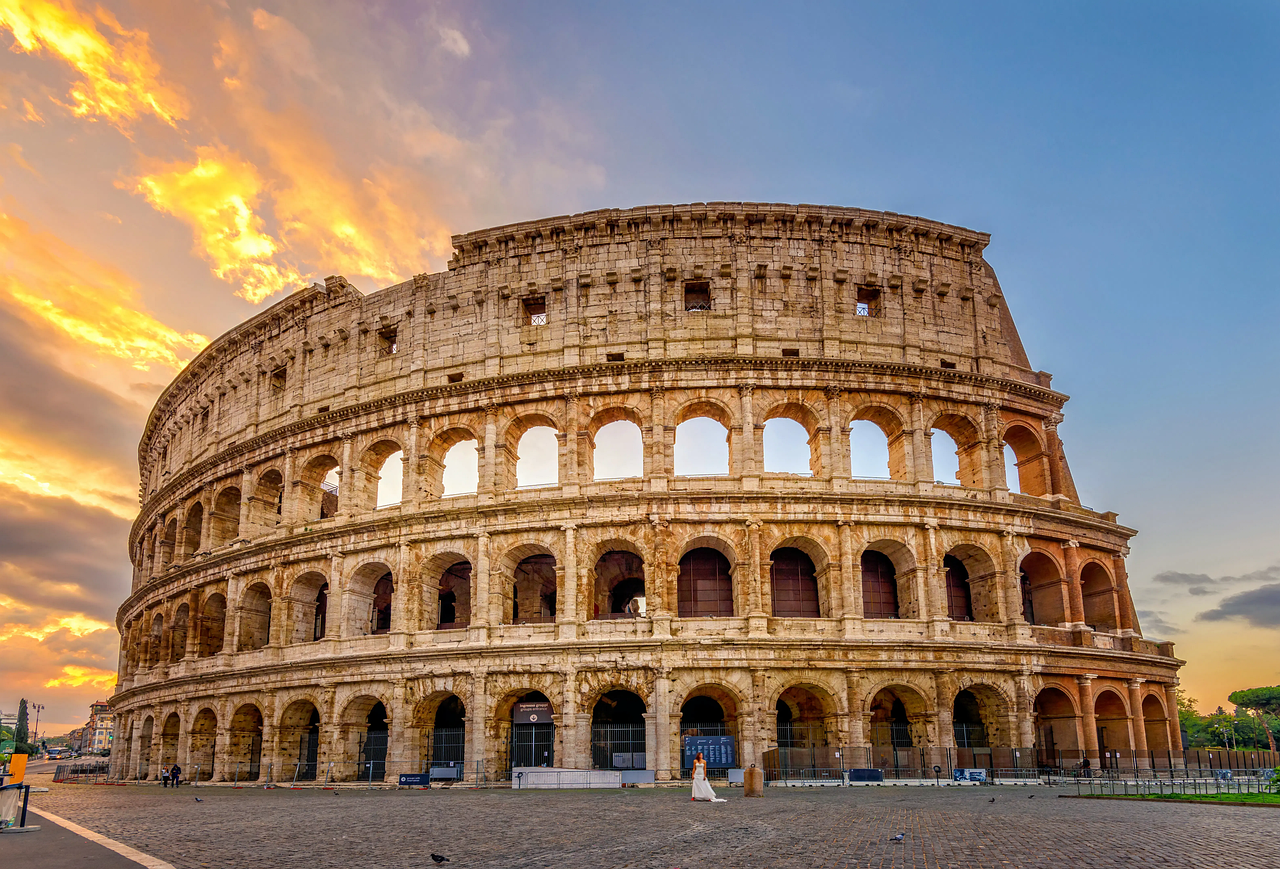
Things Not to Do in Rome: Unwritten Rules Locals Wish Tourists Knew

Rome doesn't hand you a rulebook at the airport. It lets you order a cappuccino after lunch, sit down for a coffee you could have had standing, and stroll into a church in shorts, and then quietly lets you know you've done something odd. None of it will ruin your trip. But knowing the city's unwritten rules changes how Rome treats you, and how much of it you actually see.
This guide covers the habits that give tourists away, the few rules that can actually get you fined, and the small local tricks that make the city easier, cheaper and more enjoyable. Think of it as the conversation you'd have with a Roman friend over an espresso, before you set off.
Coffee: The Fastest Way to Spot a Tourist
1Don't order a cappuccino after lunch
Romans drink milky coffee in the morning, with something sweet, and switch to espresso once the day gets going. A cappuccino after a big plate of pasta, to an Italian, is a little like ordering cereal with your steak. Nobody will refuse to make you one, and the barista won't say a word. But you'll have announced exactly where you're from.
Instead: have your cappuccino or cornetto at breakfast. After lunch or dinner, order "un caffè", which in Italy simply means an espresso. If you want it a little softer, ask for a "caffè macchiato", an espresso with a splash of milk.
2Don't sit down for a quick coffee
In a Roman bar, there are two prices for the same cup: one at the counter and a higher one at a table. Locals walk in, order at the bar, drink their coffee in a few sips standing up, and leave. Sitting down turns a quick stop into table service, and the bill reflects it, especially in squares with a famous view.
Instead: stand at the counter like everyone else. In many bars you pay first at the till, then hand your receipt to the barista. Save the table for when you actually want to sit and watch the city go by, and enjoy it knowing you're paying for the seat.

Food: Where Visitors Lose Their Best Meals
3Don't eat where the menu has pictures
A laminated menu in six languages, photos of every dish and a waiter inviting you in from the doorway: these are usually signs of a restaurant that relies on passing tourists rather than returning customers. They tend to cluster around the Pantheon, Piazza Navona and the Trevi Fountain, exactly where hungry visitors are.
Instead: walk two or three streets away from the big sights. Look for a short handwritten menu that changes with the season, and tables full of people speaking Italian. Testaccio, Trastevere's back lanes and Monti are good places to start.
4Don't ask for chicken, cream or a few changes to the classics
Rome has four signature pastas, and Romans take them seriously. Carbonara is made with egg, cured pork cheek (guanciale), pecorino cheese and black pepper. There's no cream in it, and a Roman will tell you so. Chicken doesn't go in pasta at all, and grated cheese on a seafood pasta is something most Italians would never do.
Instead: order the dish the way the kitchen makes it. Try all four Roman classics while you're there: carbonara, cacio e pepe, amatriciana and gricia. Ask the waiter what's good today; it's a compliment, not an inconvenience.
5Don't turn up for dinner at 6pm
Many good restaurants don't open for dinner until around 7:30pm, and Romans tend to sit down later than that. If you find a place serving full dinners in the early evening, it's often because it's catering to visitors.
Instead: do as the Romans do and fill the gap with an aperitivo: a drink in the early evening that usually comes with small snacks. Then go to dinner later, when the neighbourhood restaurants come alive.
6Don't panic over the bill
You may find a small per-person charge for bread and table setting (often written as "pane e coperto"), or a service charge. It isn't a scam if it's listed on the menu, so read the menu before you order. Tipping isn't expected the way it is in the United States; Romans round up or leave a few euros for good service.
Instead: check the menu for any cover or service charge before you sit, and check the bill before you add a tip, so you don't pay for service twice.
The best meal of your trip is rarely in the square with the best view. It's usually two streets behind it.
Churches and the Vatican: Where the Rules Are Enforced
7Don't wear shorts or bare shoulders into churches
This is the rule that turns visitors away at the door. St Peter's Basilica, the Vatican Museums and many of Rome's churches require covered shoulders and knees, and staff at the entrance do check. On a hot summer day it's easy to forget, and arriving after a long queue only to be refused is a hard way to learn.
Instead: carry a light scarf or shawl you can wrap around your shoulders or tie as a skirt. On days when you plan to visit churches, choose trousers, long shorts or a dress below the knee.

8Don't leave the Vatican Museums for a Sunday
The Vatican Museums are closed on most Sundays. The exception is the last Sunday of the month, when entry is free, and the crowds are the biggest of the month as a result. Visitors who planned "the Vatican on Sunday" often find a closed door.
Instead: visit on a weekday, book a timed ticket in advance, and go early in the morning or later in the afternoon. Check the official Vatican Museums calendar for holiday closures before you fix your dates.
9Don't assume you can just walk into the big sights
The Colosseum, the Vatican Museums and the Borghese Gallery all work with timed entry, and the Pantheon now has an entry ticket too. Turning up without a booking in peak season can mean a long queue, or no entry at all for the Borghese, which limits the number of visitors per slot.
Instead: book the main sights a few days ahead and build your days around those time slots. Our Rome trip planner lists the main sights, what they cost and how far ahead to book.
Monuments and Fountains: The Rules That Come With Fines
10Don't sit on the Spanish Steps
For generations, sitting on the Spanish Steps with a gelato was the classic Roman photo. Since 2019, city rules have banned sitting, eating and lying on the steps to protect them, and local police patrol the area and can hand out fines. Many visitors still don't know, and you'll see whistles blown at people who sit down.
Instead: walk up the steps to the church of Trinità dei Monti at the top. The view back down over Via dei Condotti is better than the one from halfway up, and you can stand there as long as you like.

11Don't climb into the Trevi Fountain, and know the new rules
Wading in the Trevi Fountain, as Anita Ekberg did in La Dolce Vita, is strictly forbidden and fined. What's newer is the way the fountain works for visitors: since February 2026, non-residents pay a small fee to go down to the basin area right in front of the water. Seeing the fountain and photographing it from the piazza above remains free.
Instead: visit early in the morning or late in the evening, when the crowd thins and the fountain is lit. And yes, throw your coin: right hand, over your left shoulder, back to the fountain. Tradition says it means you'll return to Rome. The coins are collected regularly and given to charity.

12Don't picnic on monuments
The same city rules that protect the Spanish Steps also stop people eating and drinking on the steps of historic fountains and monuments. Settling down for a sandwich on a famous fountain's edge can earn you a fine and a stern word from the police.
Instead: take your lunch to a park. Villa Borghese, the Pincio terrace or the Giardino degli Aranci on the Aventine Hill are all free, shaded and far more pleasant.
13Don't buy bottled water all day
Rome is full of small iron drinking fountains, nicknamed "nasoni" (big noses) for the shape of their spout. They run constantly with cold, clean drinking water, and you'll find them on street corners, in squares and near most major sights.
Instead: carry a refillable bottle. Here's the local trick: block the end of the spout with your finger, and water shoots up from a small hole on top, so you can drink like a fountain without putting your mouth on the metal.
Good to know: rules like these change from time to time. If a sign, a guard or a police officer asks you to move, just move. It's the quickest way to keep a good day good.
On the Street: Friendly Faces With a Price Tag
14Don't pose with the "gladiators"
Near the Colosseum you may meet men dressed as Roman centurions, happy to pose with you for a photo. The photo is the easy part; the request for money afterwards is the catch, and it can be more than you expected. Rome has tried to ban them from the area around its monuments, but they still appear.
Instead: if you want the photo, agree the price before anyone raises a sword. Otherwise, a polite "no, grazie" and walking on is all it takes.

15Don't accept a "free" gift
A rose pressed into your hand, a friendship bracelet tied around your wrist, a clipboard petition you're asked to sign: in busy tourist areas, the "gift" is usually followed by a request for money. It's not dangerous, just awkward, and it's designed to make saying no feel rude.
Instead: keep your hands to yourself and keep walking. If something is already in your hand, give it back and say "no, grazie". You owe nothing for something you didn't ask for.
16Don't keep your phone in your back pocket
Like every big tourist city, Rome has pickpockets, and they work where people are distracted and close together: crowded buses, the Metro at rush hour, around Termini station and in packed squares.
Instead: carry a bag that closes and wear it in front of you in crowds. Keep your phone in a front pocket, and step aside to check maps rather than standing in the middle of a busy street.
Getting Around: Small Mistakes That Cost the Most
17Don't take any car that calls itself a taxi
Licensed Rome taxis are white and carry the city's logo and a licence number. Drivers who approach you inside the airport or at stations offering a ride are not licensed, and their prices reflect it. Official taxis from Fiumicino and Ciampino charge a fixed fare to the historic centre.
Instead: use the official taxi rank, or book a transfer in advance. Our guide to getting from Fiumicino to Rome compares the train, taxi and bus, and explains when each one makes sense.
18Don't drive into the historic centre
Central Rome is a ZTL, a limited traffic zone, watched by cameras at its entrances. Drive in without a permit and the fine can arrive weeks later, usually through your rental company, with an admin fee on top. Many visitors only find out when they're already home.
Instead: don't hire a car for Rome itself. Walk, use the Metro, buses and trams, and only collect a car on the day you leave the city for a road trip.
19Don't forget to validate your ticket, or bring the wrong shoes
On Rome's buses, trams and Metro, a paper ticket has to be validated in the machine when you board or pass the gate. An unvalidated ticket counts as no ticket. Many visitors now skip paper altogether and tap a contactless bank card at the Metro gates and on board.
And whatever you travel on, you'll walk a lot more than you expect, on Rome's small black cobblestones, the sampietrini. They are beautiful, uneven and hard on thin soles.
Instead: validate every paper ticket, or use contactless. Bring comfortable, cushioned walking shoes and save the elegant sandals for dinner.
The Biggest Mistake: Rushing Rome
20Don't try to see everything
The most common regret visitors share isn't a missed sight; it's a trip spent rushing between them. Rome has more than any visitor can see in a week, let alone a long weekend. Trying to tick off the Colosseum, the Vatican, the Borghese and every famous fountain in three days leaves little time for the things people remember most: a long lunch, a wrong turn into a quiet piazza, the light on the rooftops in the evening.
Keep the season in mind too. Around mid-August, especially near the Ferragosto holiday, many family-run shops and restaurants close as Romans head to the coast, while the big sights stay open and busy.
Instead: choose one or two big sights a day and leave the rest of the time loose. Some of the best of Rome is simply walking: from the Pantheon to Piazza Navona, across the river to Trastevere, and up the Janiculum Hill at sunset.

Rome's unwritten rules aren't really about manners. They're about joining the rhythm of a city that has been welcoming visitors for two thousand years: coffee at the counter, long lunches, covered shoulders in church, and plenty of time to wander. Follow them, and Rome stops feeling like a museum and starts feeling like somewhere you belong, even if only for a few days.
Planning your Rome trip?
See where to stay, what the main sights cost, how to get around, and the best way into the city from the airport.
Rome Etiquette: Frequently Asked Questions
Is it rude to order a cappuccino in the afternoon in Rome?
Can you sit on the Spanish Steps?
Do you have to pay to see the Trevi Fountain?
What should I wear to visit the Vatican and churches in Rome?
Is the tap water in Rome safe to drink?
Do you tip in restaurants in Rome?
Rules and fees in this guide were checked in October 2026, including the Trevi Fountain basin fee introduced in February 2026 and the city rules protecting the Spanish Steps and other monuments. Local rules and opening days can change; check official notices before you travel.
Related Posts
-
 Trip planner
Rome Trip Planner: Real Costs, Hotels & Getting Around
Where to stay, what the main sights cost and how to move around the city.
Read more →
-
Airport guide
Fiumicino to Rome: Train vs Taxi vs Bus
The quickest, cheapest and easiest ways into the city, by group size.
Read more →
-
Trip planner
London Trip Planner: Costs, Hotels & Transport
Next stop London? The same honest guide to costs and getting around.
Read more →