Rome Trip Planner: Real Costs, Hotels & Getting Around
Planning a Rome trip? This page puts the whole budget in one place: what flights, hotels and the city tax, the Fiumicino transfer, metro tickets and entry to the Colosseum and Vatican actually cost, with a source and check date for every figure. Use the cost table to size your budget, then book each part direct with the provider.
Flights to Rome
Rome has two airports, and the one you land at changes both how you get into the city and what the transfer costs. Here's how they compare, when flights to Rome tend to be cheaper, and a live fare search to check prices for your own dates.
Which Rome Airport Should You Fly Into?
Most international and long-haul flights use Fiumicino, which has a direct train to the centre. Ciampino is smaller and closer to the city, mainly used by low-cost European airlines, but it has no direct rail link.
| Airport | Best for | Main airlines | Link to central Rome |
|---|---|---|---|
| Fiumicino (Leonardo da Vinci)FCO | Long-haul and most international flights | ITA Airways and most international airlines | Leonardo Express to Termini, FL1 regional train, official taxis at a fixed fare |
| CiampinoCIA | Low-cost European flights | Ryanair, Wizz Air | No direct train: airport bus to Termini, or bus plus Metro A; official taxis at a fixed fare |
The cheapest fare isn't always the cheapest trip. A cheaper flight into Ciampino can mean a slower bus ride into the city, while Fiumicino has a direct train. Check the airport transfer costs before you book.
When Are Flights to Rome Cheaper?
Fares to Rome are usually highest around Easter, in the summer holidays and at Christmas. They tend to be lower from November to February, outside the holiday weeks. Midweek departures are often cheaper than weekends. These are general patterns, not guarantees, so check your own route and dates below.
Search Live Fares
The search below shows current fares from Kiwi.com. Change the departure city and dates to see prices for your trip.
Search results link to Kiwi.com. If you book, we may earn a commission at no extra cost to you. How this works
Before you pay: some low fares on Kiwi.com combine separate airlines on one booking (a self-transfer). Check the connection and baggage rules shown at checkout, and confirm the final price on Kiwi.com.
Where to Stay in Rome
Where you stay in Rome decides how much of the city you can see on foot. The historic centre has no metro, so a central hotel saves time but usually costs more per night. Rome also adds a city tax of €3 to €10 per person per night, depending on the type of accommodation, paid at the hotel. Here are six areas that work well for first-time visitors, and who each one suits.

- First visit
- Walk everywhere
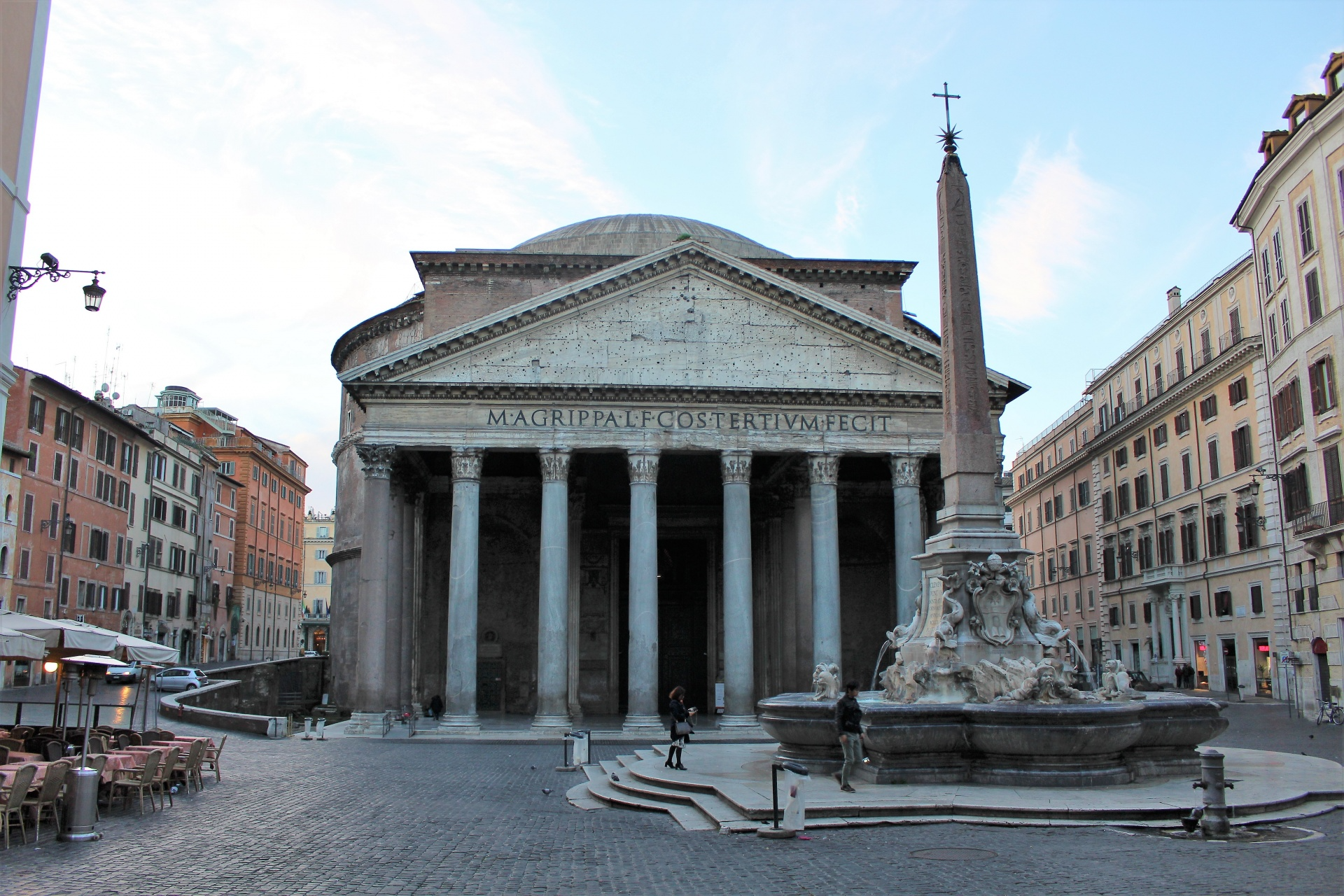
Centro Storico (Pantheon & Navona)
The historic heart of Rome, around the Pantheon, Piazza Navona and Campo de' Fiori. Most major sights are a walk away, though rooms are often small and prices higher.
Getting around: No metro in the centre itself; most places are reached on foot or by bus.
See Centro Storico hotels →
- Near the Colosseum
- Restaurants
Monti
A lively neighbourhood of narrow streets, bars and independent shops between the Colosseum and Termini. Good value for how central it is.
Getting around: Cavour station on Metro B, a short walk from the Colosseum.
See Monti hotels →
- Atmosphere
- Food & nightlife
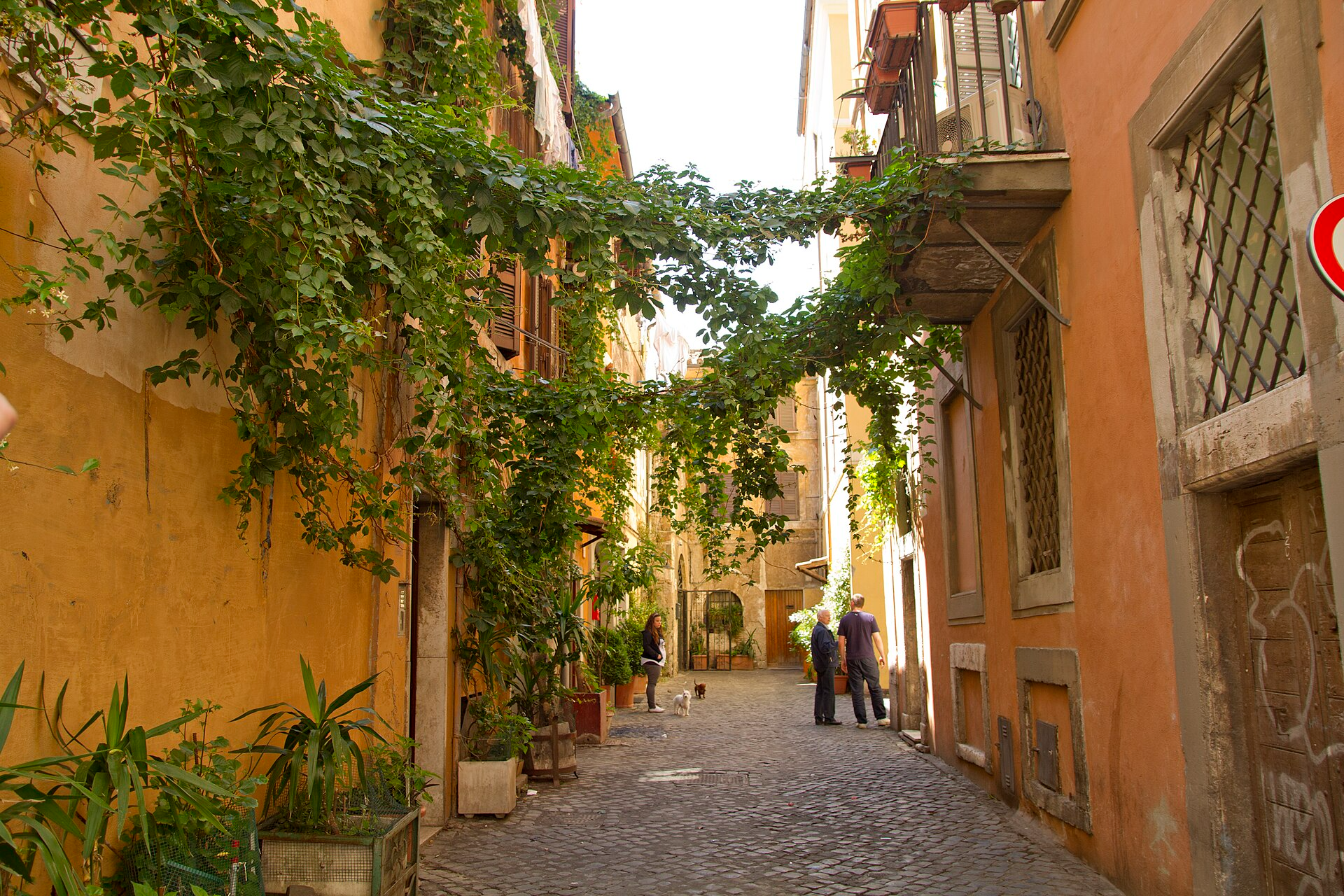
Trastevere
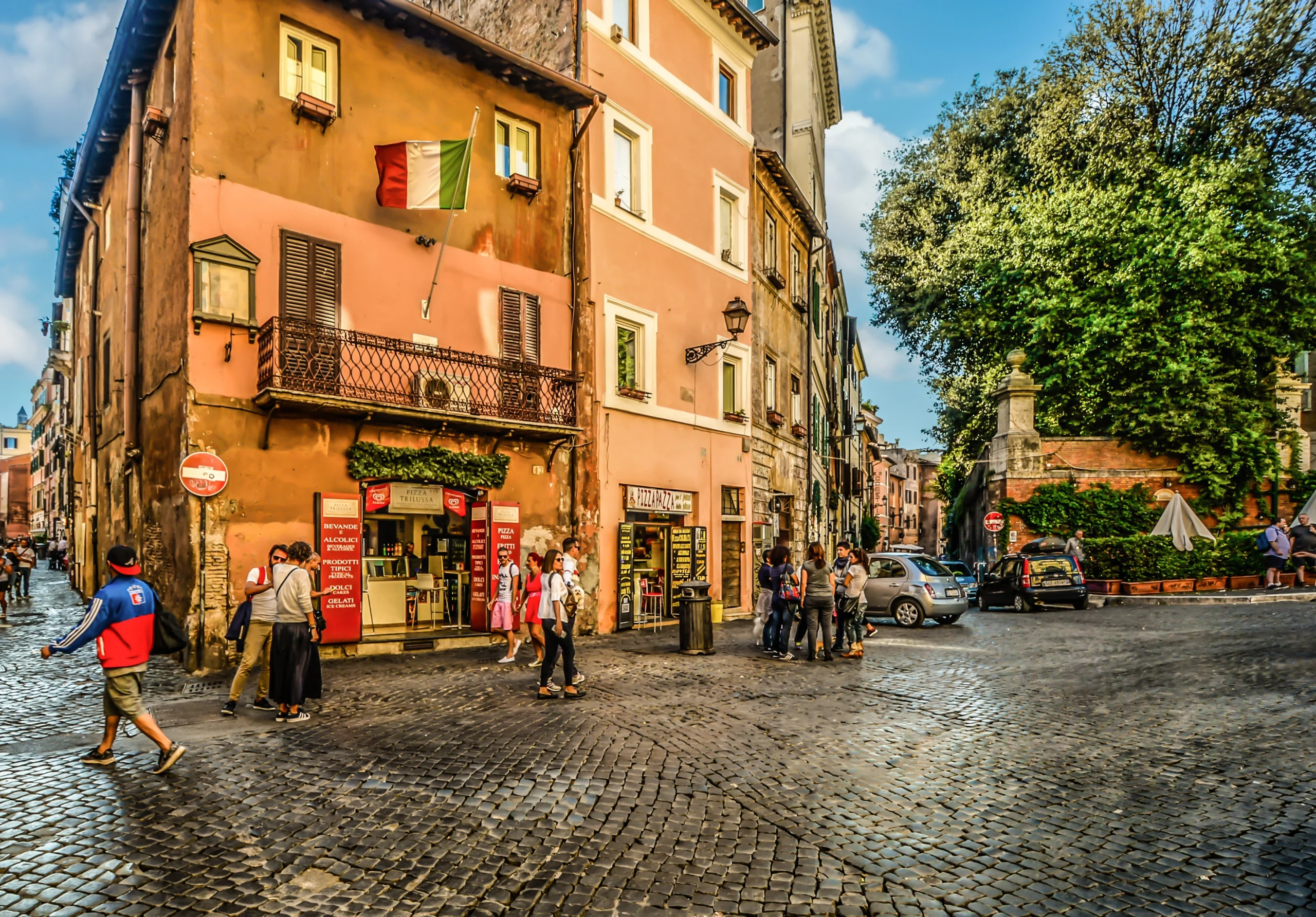
Cobbled lanes, trattorias and evening life across the Tiber. Full of charm, but lively late into the night.
Getting around: Tram 8 to the centre; Roma Trastevere station has FL1 trains to Fiumicino airport.
See Trastevere hotels →
- Vatican visits
- Quieter
Prati (Vatican)
Wide, calmer streets next to the Vatican, with good restaurants and shops. A practical base if St Peter's and the Vatican Museums are a priority.
Getting around: Ottaviano and Lepanto stations on Metro A.
See Prati hotels →
- Budget
- Airport train
Termini & Esquilino
Around Rome's main station, with the widest choice of budget hotels. Less charming, but the most convenient for arrivals and day trips.
Getting around: Roma Termini: Leonardo Express to Fiumicino, Metro A and B, and trains across Italy.
See Termini hotels →
- Shopping
- Luxury
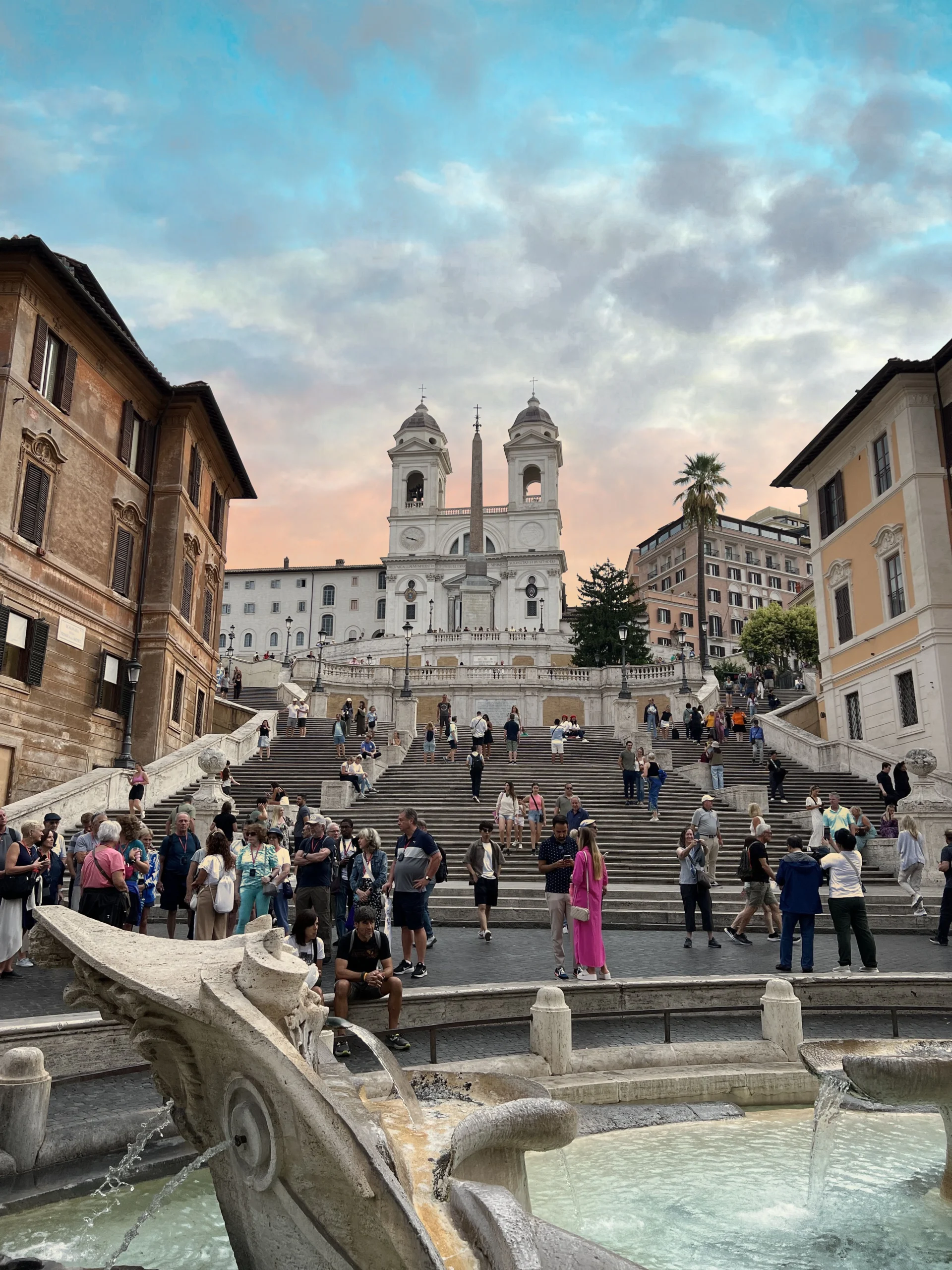
Spanish Steps (Tridente)
The elegant streets around the Spanish Steps and Via del Corso, known for designer shopping and upscale hotels.
Getting around: Spagna station on Metro A.
See Spanish Steps hotels →
Stay near your airport link. The right area can cut your transfer time on both ends of the trip:
- Fiumicino by train: Termini (Leonardo Express) or Trastevere (FL1)
- Fiumicino by taxi: anywhere inside the Aurelian Walls is covered by the fixed fare
- Ciampino: Termini, where the airport buses arrive
Compare the cost of each route in getting from the airport.
Before You Book a Rome Hotel
Rooms in the historic centre are often small and in old buildings, so check for a lift if you have heavy luggage. The city tax is usually not included in the price you see when booking and is paid at the hotel. Read the cancellation terms before you pay, as the cheapest rates are often non-refundable.
Hotel links go to booking.com, our hotel partner. If you book, we may earn a commission at no extra cost to you. How this works
Getting From the Airport to Central Rome
Rome makes airport transfers simpler than most cities: taxis from both airports to the historic centre charge an official fixed fare, so there's no meter to worry about. The real choice is between a cheap train to one station and a door-to-door ride. Here's what each option costs, how long it takes, and when a pre-booked transfer is worth it.
Fiumicino to Central Rome: Every Option Compared
Adult single fares. Fares checked September 2026.
| Option | Fare | Time | Arrives at | Best for |
|---|---|---|---|---|
| FL1 regional train | €8per personOfficial fare | Around 30–45 min | Trastevere, Ostiense, Tiburtina (not Termini) | Lowest train fare, hotels in Trastevere |
| Leonardo Express | €14per person, non-stopOfficial fare | 32 min | Roma Termini only | Solo travellers and couples staying near Termini |
| Airport bus | About €7per person, varies by companyEstimate | 50–70 min, traffic dependent | Roma Termini | The tightest budgets |
| Official white taxi | €55fixed, up to 4 people with luggage, inside the Aurelian WallsOfficial fare | Around 45 min, traffic dependent | Your door | Groups of 3–4 going to the historic centre |
| Pre-booked private transfer | Fixed quoteprice agreed when you bookLive quote | Traffic dependent | Your door | Families, groups of 5+, hotels outside the walls, late arrivals |
Only take an official white taxi from the rank. The €55 fixed fare applies to licensed Rome taxis going anywhere inside the Aurelian Walls, which covers the historic centre, Trastevere, Monti, Termini and the Vatican area. Ignore anyone offering a ride inside the arrivals hall.
When a Private Transfer Is Worth It
In Rome the official taxi sets the benchmark: a group of four pays about the same by taxi as by train. A pre-booked transfer makes sense when the fixed taxi fare doesn't cover your situation.
- Hotel outside the Aurelian Walls: the taxi fixed fare no longer applies and the meter runs.
- Five or more people: a standard taxi takes four; a minivan transfer keeps the group together.
- Children: you can request child seats in advance.
- Late or early flights: a driver waiting with your name avoids the taxi queue.
Four adults on the Leonardo Express:
4 × €14 = €56
That's about the same as the €55 taxi fare, which takes you to the door. For groups heading inside the walls, the official taxi usually wins. Get a transfer quote if you're five or more, or staying outside the centre.
Get a fixed Fiumicino transfer quote →Quotes from Kiwitaxi. The price is fixed when you book; check the waiting-time and flight-delay terms on your booking.
Book a fixed-price transfer: enter your airport, hotel and date to see live Kiwitaxi prices.
Getting From Ciampino Airport
Ciampino has no direct train into Rome, so the choice is between a bus and a taxi.
Official taxi CIA
- Fare
- €40 fixed to the centre, inside the Aurelian Walls
- Best for
- Two or more people with luggage
The same rule as Fiumicino: use the official white taxi rank outside arrivals.
Bus CIA
- Direct
- Airport buses to Roma Termini
- Cheaper
- Local bus to Anagnina, then Metro A into the centre
Buy the local bus and metro ticket before boarding; it's not always sold on the bus.
Arriving somewhere else? See our guide to booking airport transfers for other cities and airports.
Transfer links go to Kiwitaxi, our transfer partner. If you book, we may earn a commission at no extra cost to you. How this works
Getting Around Rome
Rome is a walking city first. The historic centre has no metro, and many of the main sights are closer together than they look on a map. For longer journeys, one ticket covers the metro, buses and trams, and you can now tap a contactless card or phone at the gates instead of buying a paper ticket.
- Single ticket (BIT) €1.50 100 minutes of buses and trams, plus one metro ride.
- Unlimited for a day €8.50 ROMA 24H ticket, valid 24 hours from first use.
- Unlimited for 3 days €22 ROMA 72H ticket, valid 72 hours from first use.
Rome Public Transport Fares in 2026
Official ATAC fares. Checked September 2026.
| Ticket | Price | What it covers |
|---|---|---|
| BIT single ticket | €1.50 | 100 minutes on buses and trams, plus one metro entry |
| ROMA 24H | €8.50 | Unlimited travel for 24 hours from first validation |
| ROMA 48H | €15 | Unlimited travel for 48 hours |
| ROMA 72H | €22 | Unlimited travel for 72 hours |
| Weekly CIS ticket | €29 | Unlimited travel until midnight on the seventh day |
| 10 BIT pack | €15 | Ten single tickets on one card; useful for occasional rides |
Three days of sightseeing with several rides a day:
3 × ROMA 24H (€25.50) → ROMA 72H €22
If you'll ride every day, the 72-hour ticket saves money. If you mostly walk, single tickets are usually cheaper.
How Tickets Work in Rome
- A single ticket allows only one metro entry. Once you leave the metro, you can't go back in on the same ticket, even within the 100 minutes.
- Validate before you ride. Stamp paper tickets on buses and trams; an unvalidated ticket counts as no ticket.
- Tap & Go with your bank card. On the metro and many buses you can tap a contactless card or phone. After several single fares in 24 hours, the system charges a 24-hour ticket (€8.50) instead.
- One card per person. Each traveller needs their own card or phone when using Tap & Go.
- Watch your bags. Busy metro lines and tourist bus routes are known for pickpockets.
Arriving at Fiumicino? The airport trains are not covered by city tickets: the Leonardo Express and FL1 have their own fares. See getting from the airport for all options.
Metro, Bus or Walking?
-
Best for the centre
Walking
The Pantheon, Piazza Navona, Trevi Fountain and Spanish Steps are all within walking distance of each other.
-
Best for distance
Metro
Lines A, B and C link Termini, the Vatican area, the Colosseum and the outer districts quickly.
-
Fills the gaps
Buses and trams
Cover the areas the metro doesn't reach, including the historic centre and Trastevere.
Source: ATAC (Rome public transport) tickets and passes, 2026. Fares can change; check atac.roma.it before you travel.
Things to Do in Rome: Free Sights and Ticket Prices
Much of Rome's best is free: its squares, fountains, churches and viewpoints cost nothing to see. The big paid sites, the Colosseum and the Vatican Museums above all, sell out in advance, so it pays to know the official prices and book the busiest ones early.
Rome's Best Free Sights
These cost nothing to visit. Churches ask visitors to cover shoulders and knees.

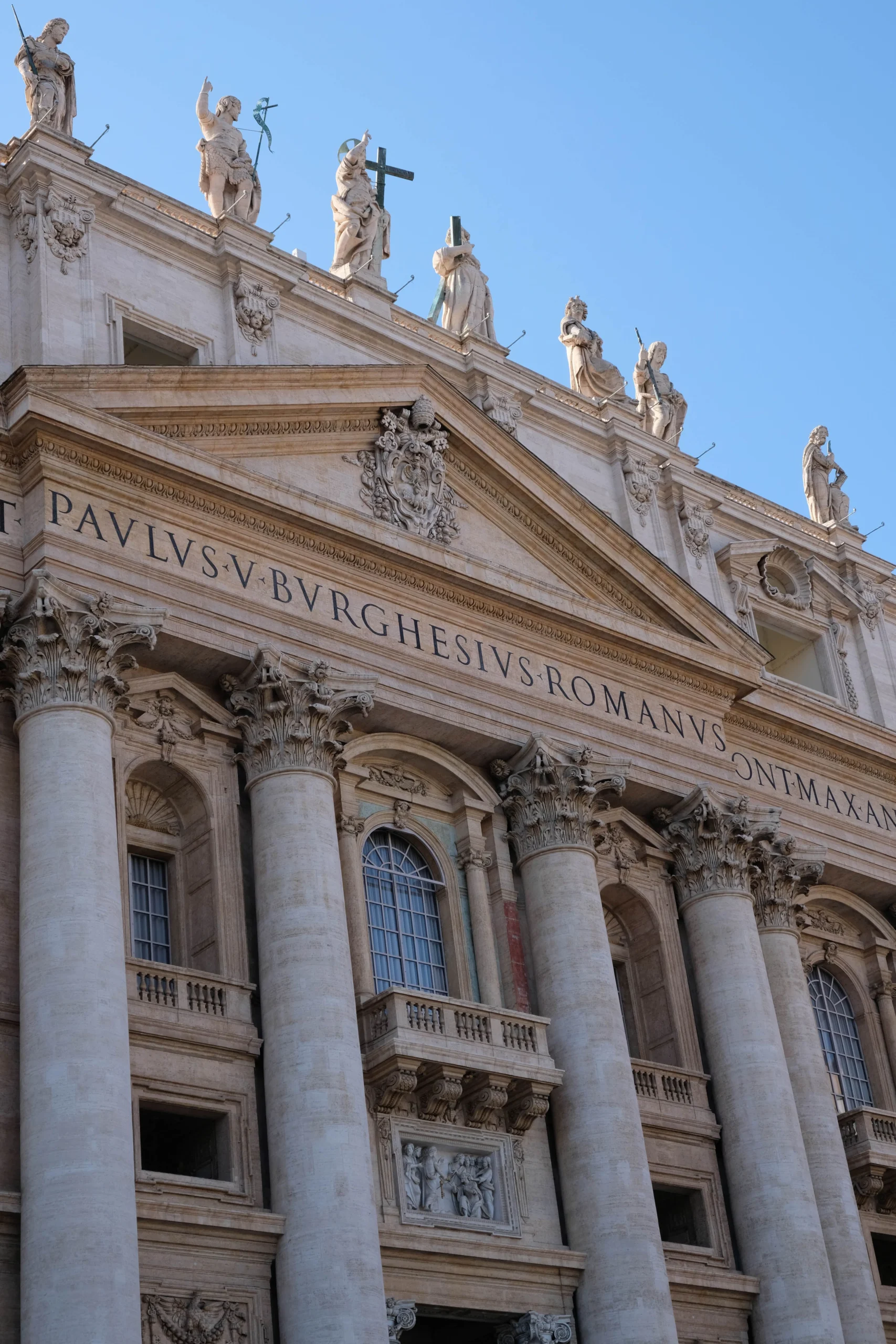
St Peter's Basilica
The largest church in the world, with Michelangelo's Pietà inside. Entry is free; climbing the dome costs extra.
Plan your visit →
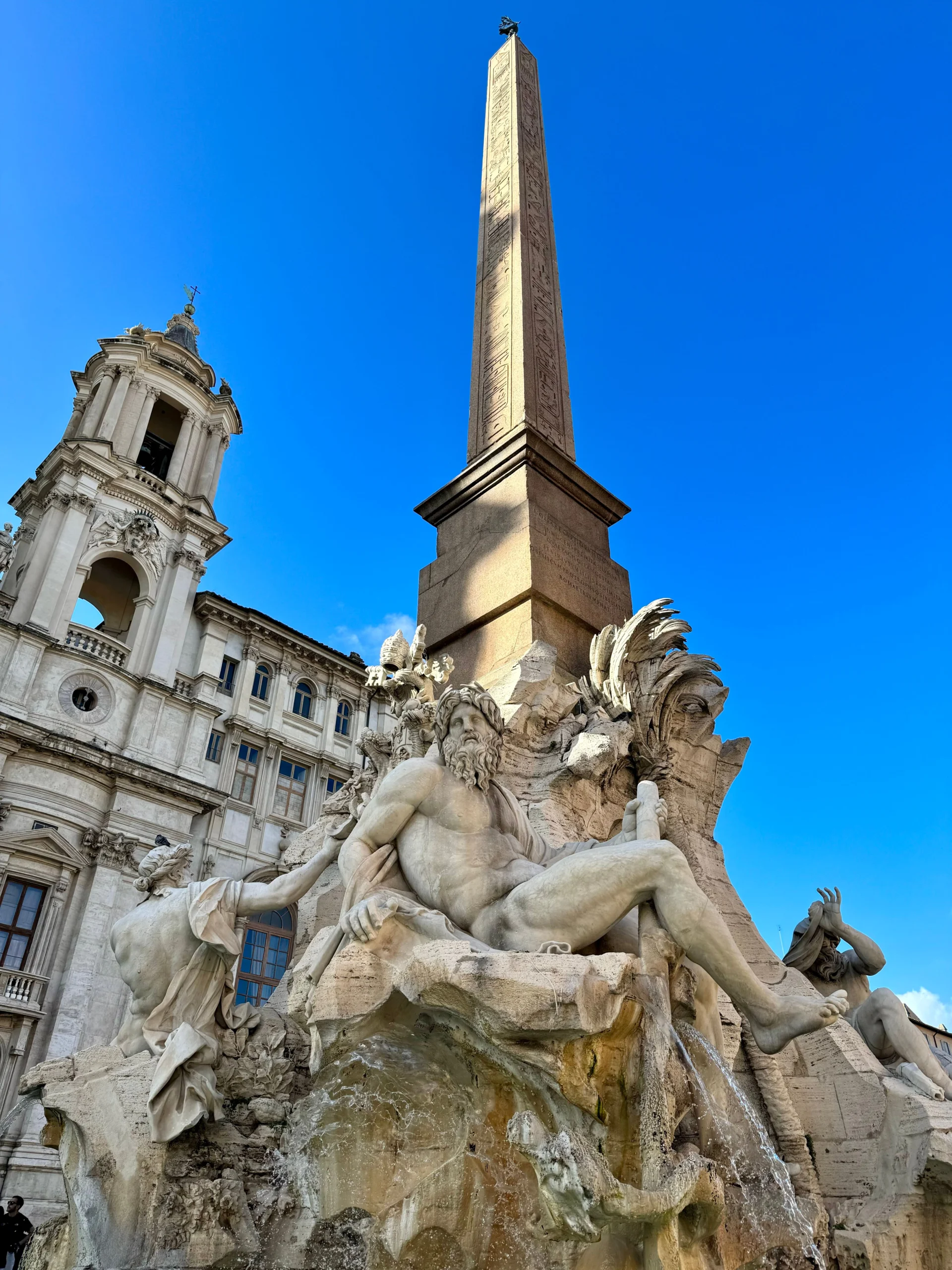
Piazza Navona
Rome's most famous square, built on an ancient stadium, with Bernini's Fountain of the Four Rivers.
Plan your visit →
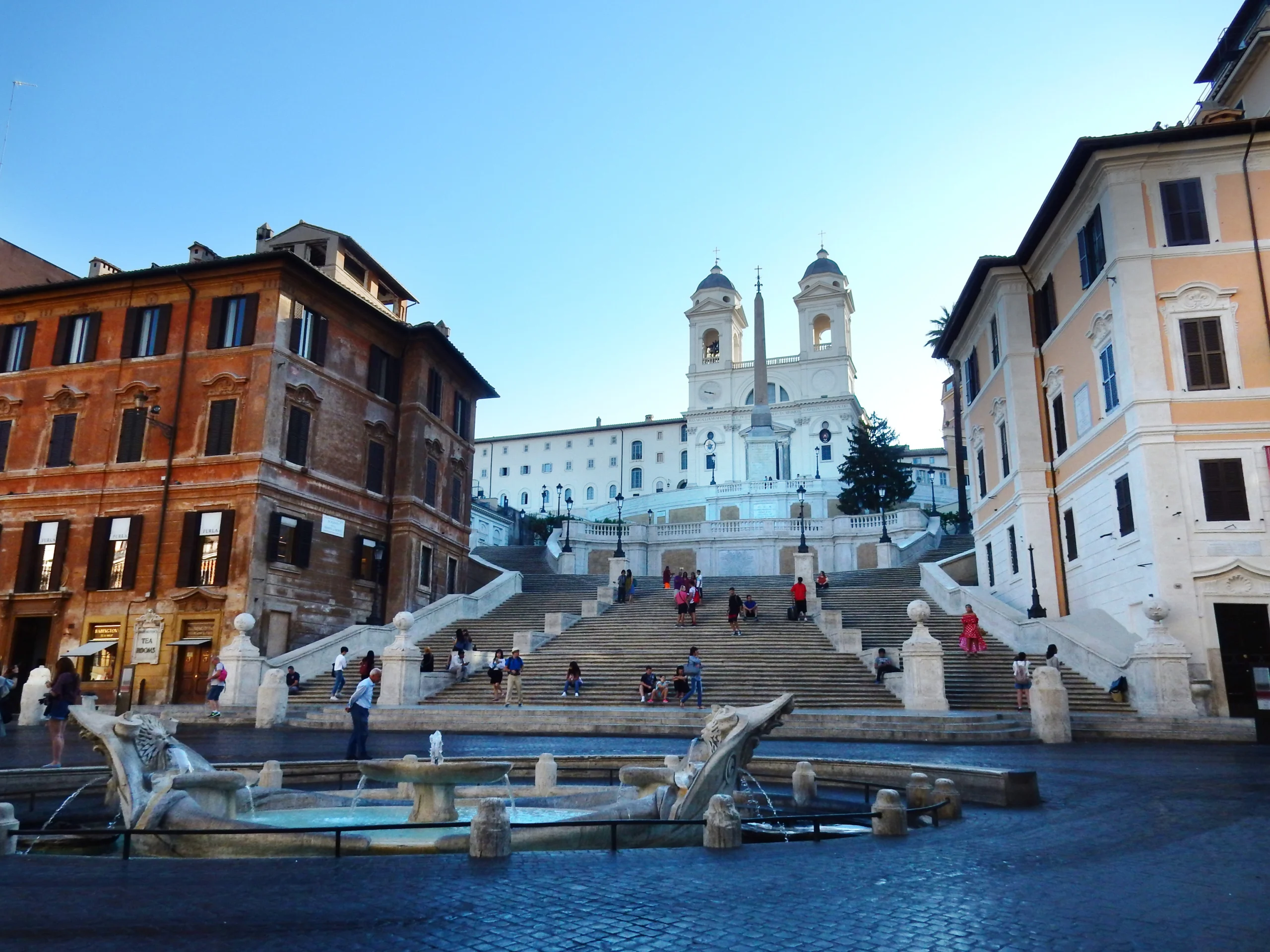
Spanish Steps
The grand staircase up to Trinità dei Monti. Walking up is free; sitting on the steps is not allowed.
Plan your visit →
Villa Borghese Gardens
Rome's best-known park, with shady paths, a lake and the Pincio terrace view over Piazza del Popolo.
Plan your visit →
Photo: trolvag, CC BY-SA 3.0 Trastevere
Cobbled streets, ivy-covered houses and the mosaics of Santa Maria in Trastevere. Best in the early evening.
Plan your visit →
Photo: Warburg, Public domain Gianicolo Terrace
One of the best free viewpoints over Rome, above Trastevere, looking across the domes and rooftops.
See Gianicolo tours →
Photo: Livioandronico2013, CC BY-SA 4.0 Santa Maria Maggiore
One of the four papal basilicas, with gold mosaics, a short walk from Termini. Entry is free.
See tours & dome tickets →
Photo: Myrabella, CC BY-SA 3.0 Campo de' Fiori
A lively square with a morning market and cafés, a few minutes from Piazza Navona.
See food tours →
Prefer a guide? Browse paid guided tours in Rome on GetYourGuide ↗
Top Paid Attractions and Ticket Prices
Adult tickets, official prices. Checked September 2026.
| Attraction | Adult ticket | Good to know | Book |
|---|---|---|---|
| Colosseum, Forum & Palatine | €18Official | Includes the Roman Forum and Palatine Hill. The arena and underground need the €24 Full Experience ticket. Timed slots sell out. | Tickets → |
| Vatican Museums & Sistine Chapel | €25Official online | €20 entry plus a €5 online booking fee. Closed on most Sundays. Shoulders and knees must be covered. | Tickets → |
| Borghese Gallery | €18Official | €16 plus a €2 booking fee. Booking is compulsory and visits are limited to timed two-hour slots. | Tickets → |
| Pantheon | €7Official | Price from 1 July 2026. Timed tickets; entry is free for religious services. | Tickets → |
The four big paid sites for one adult, at official prices:
€18 + €25 + €18 + €7 = €68
Mix them with the free sights above and a full week of sightseeing in Rome costs less than many visitors expect.
Is the Roma Pass worth it? The official Roma Pass (€32 for 48 hours, €52 for 72 hours) includes public transport and free entry to one or two museums. Add up the sites you'll actually visit and your transport, then compare. Note that the Vatican Museums are in Vatican City and are not part of the Roma Pass.
Ticket and tour links go to GetYourGuide, our attractions partner. Prices on GetYourGuide may differ from the official rates shown above. If you book, we may earn a commission at no extra cost to you. How this works
Staying Connected in Rome: eSIM, Roaming or Local SIM?
You'll rely on mobile data in Rome for maps through the maze of the historic centre, contactless payments, ticket QR codes and taxi apps. What you need depends on where your phone plan comes from: visitors from the EU usually roam at home prices, while most others pay extra. Here's how the options compare and how much data you actually need.
Your Options for Mobile Data in Italy
| Option | How it works | Watch out for |
|---|---|---|
| Travel eSIM Best for most non-EU visitors | Buy a prepaid Italy or Europe data plan online and install it before you fly. It works as soon as you land, and your home SIM stays in the phone. | Your phone must be unlocked and eSIM-compatible. Most plans are data only, with no Italian number. |
| Home roaming Good for EU plans | EU mobile plans generally include roaming in Italy at home prices. Nothing to set up. | Outside the EU, daily roaming fees add up. Many UK plans no longer include EU roaming free of charge. |
| Italian SIM card Good for long stays | Buy a prepaid SIM from an Italian network after you arrive. | Shops ask for your passport to register the SIM, and swapping SIMs takes your home number offline. |
| Wi-Fi only Limited | Free Wi-Fi in hotels, cafés and some public areas. | No maps or messages between Wi-Fi spots, which is exactly when you need them. |
How Much Data Do You Need in Rome?
For maps, messaging, social media and occasional browsing, most visitors use far less data than they fear. Video streaming and video calls are what use the most.
- Weekend or 3–4 days 3–5 GB Maps, messaging and some social media.
- One week 5–10 GB Everyday use, plus photo uploads and a few video calls.
- Heavy use or longer trips 20 GB+ Streaming, frequent video calls or sharing a hotspot.
These are our estimates for typical use, not provider figures. If you're unsure, pick the plan above what you think you need, as running out mid-trip costs more.
How to Set Up a Travel eSIM
- Check your phone. Make sure it supports eSIM and is unlocked. On most phones you'll find this under mobile or cellular settings.
- Buy and install before you leave. Install the eSIM at home on Wi-Fi. It's much easier than doing it at the airport.
- Switch it on when you land. Turn on the eSIM line and enable data roaming for it, then set it as your mobile data line.
- Keep your home SIM for calls and texts. Leave it switched on for SMS codes from your bank, but turn off its data roaming to avoid charges.
Planning more of Italy or Europe? If Rome is one stop on a longer trip, a regional Europe plan is often simpler than a single-country one. Download an offline map of Rome too, for the moments without signal.
Find an eSIM plan for Italy: choose your destination and trip length to compare live plans and prices.
Travelling to other countries too? See our travel eSIM guide for regional and global plans.
eSIM links go to our eSIM partner. If you buy a plan, we may earn a commission at no extra cost to you. How this works
Do You Need Travel Insurance for Rome?
Whether insurance is required depends on your passport. Visitors who need a Schengen visa must show travel medical insurance to get one. For everyone else it's optional, but strongly recommended: medical care for visitors in Italy is not automatically free, and a hospital stay or a flight home can be very expensive.
Who Needs What for Italy
EU, EEA and Swiss visitors
- A valid EHIC gives access to medically necessary state healthcare
- Treatment is on the same terms as for Italian residents
- It doesn't cover private care, repatriation or a cancelled trip
Most other visitors
- Emergency care is provided, but you may be billed for treatment
- Schengen visa applicants must hold medical insurance of at least €30,000
- Without insurance, a hospital stay is paid out of pocket
Coming from the UK? A UK GHIC or EHIC gives access to medically necessary state healthcare in EU countries, including Italy. It's still not a substitute for travel insurance: it won't pay for a flight home, lost luggage or a cancelled trip.
Keep your documents ready. Save your policy number and the insurer's 24-hour emergency line on your phone. Hospitals may ask for payment or proof of cover before non-urgent treatment.
What Your Policy Should Cover for a Rome Trip
-
🏥
Medical treatment
Hospital care, and bringing you home if you can't fly normally. This is the most important part.
-
✈️
Cancellation and delays
Money back for prepaid flights and hotels if you have to cancel, and help with long delays and strikes.
-
🧳
Lost or delayed luggage
Essentials while you wait for a delayed bag, and compensation if it's lost.
-
📱
Phone and valuables
Pickpocketing is a known risk on busy buses, the metro and at major sights. Check the limit per item.
-
⚖️
Personal liability
Cover if you accidentally injure someone or damage their property.
-
🩺
Pre-existing conditions
Declare any medical conditions. Undeclared conditions are a common reason for rejected claims.
Before You Buy
- Check what you already have. Some bank cards and employers include travel insurance. Read the limits before paying twice.
- Look at the excess. That's the amount you pay yourself on each claim. A cheap policy often has a high excess.
- Buy it when you book, not just before you fly. Cancellation cover only protects you from the date you buy the policy.
- Need a visa? Make sure the policy meets the Schengen requirements and that you can download a certificate for your application.
Get a travel insurance quote for your Rome trip
We work with EKTA for travel insurance. Compare its cover and excess with any policy you already have before you buy.
Want the details? Read our guide to travel insurance: what policies cover and exclude.
General information based on EU and Schengen rules for visitors. Requirements can change; check the latest before you travel. This is not insurance, legal or medical advice.
Insurance links go to EKTA, our insurance partner. If you buy a policy, we may earn a commission at no extra cost to you. How this works
Luggage Storage in Rome
Hotel checkout is usually in the morning, while many flights and trains leave later in the day. Rather than pulling a suitcase over cobblestones, you can leave it for a few hours. Where you store it matters: a counter inside a station usually costs more than a shop or hotel nearby.
Where to Leave Your Bags
| Option | Price | Pros | Cons |
|---|---|---|---|
| Your hotel | Often freefor guests, on arrival or checkout day | Nothing to book; ask at reception | Only works if you're returning to the hotel area |
| Storage in local shops and hotels (booked by app) | Per bag, per dayshown before you book | Usually the cheapest; many locations near stations and sights | Opening hours follow the shop; book ahead |
| Left-luggage counter at Termini | Priced by the hourlong stays add up | Staffed desk inside the station; takes large items | Usually more expensive for a full day |
Store Your Bags Near Where You Leave From
The easiest plan is to leave your bags near the station or area you'll depart from, so you only carry them once.
Termini
For the Leonardo Express to Fiumicino, Ciampino buses and trains across Italy.
Storage near Termini →Vatican & Prati
For a last morning at St Peter's or the Vatican Museums before you leave.
Storage near the Vatican →Colosseum
For a final visit to the Colosseum or the Forum, one stop from Termini on Metro B.
Storage near the Colosseum →
Before You Drop Your Bags
- Check the closing time. Shop-based storage closes when the shop does. Make sure you can collect your bags before your train or flight.
- Keep passports, medicines and electronics with you. Store clothes, not valuables.
- Large bags aren't allowed in many sights. The Vatican Museums and the Colosseum restrict big bags and suitcases, so store them first.
- Ask your hotel first. If you're coming back to the same area before leaving, the hotel's luggage room may cost nothing.
Arriving early? The same applies on day one. If your room isn't ready, most hotels will hold your bags until check-in, so you can start exploring straight away.
Storage links go to Radical Storage, our luggage storage partner. Prices vary by location and are shown before you book. If you book, we may earn a commission at no extra cost to you. How this works
Do You Need a Car in Rome?
For a city break in Rome, no. The historic centre is a limited traffic zone, parking is hard to find, and most sights are best reached on foot or by public transport. A hire car makes sense only for trips out of the city, into the Lazio countryside or on to Tuscany.
Skip the car if you're…
- Staying in Rome for a few days
- Visiting the main sights, museums and neighbourhoods
- Going to Florence, Naples or Venice, which are all fast by train
A car makes sense if you're…
- Exploring hill towns and the countryside of Lazio or Umbria
- Driving on to Tuscany or the coast after Rome
- Travelling with young children and lots of luggage outside the city
The Rule That Catches Drivers in Rome: the ZTL
Limited Traffic Zones (ZTL)
Cameras, not barriersMuch of the historic centre and Trastevere is a ZTL. When the zone is active, cameras record every unauthorised car that enters.
There is no barrier to stop you, so drivers often don't realise they've entered until the fine arrives.
Fines arrive later
Through your rental companyFines are sent to the rental company, which passes them on to you, often months after your trip and usually with an admin fee.
If your hotel is inside a ZTL, ask it before you arrive whether it can register your car.
Pick the car up on the day you leave Rome. Collect it at Fiumicino or on the edge of the city when you head off, rather than keeping a car parked while you explore on foot and by metro. See getting around Rome for transport costs.
Before You Hire a Car in Italy
- Check your licence. Drivers with non-EU licences may need an International Driving Permit alongside their licence. Ask the rental company.
- Most hire cars are manual. If you only drive automatic, filter for it when you book.
- Check the deposit and insurance excess. These vary a lot between rental companies and affect the real cost more than the daily rate.
- Motorways have tolls. Italian autostrade are tolled; keep a card ready at the toll booths.
Compare car hire for your trip
Search rental companies at Fiumicino and across Rome in one place, and filter by automatic, deposit and fuel policy.
Check the ZTL hours and rules for your dates on the City of Rome and Roma Mobilità websites before you drive.
Car hire links go to EconomyBookings, our car rental partner. If you book, we may earn a commission at no extra cost to you. How this works
💡 Rome Trip FAQ
Quick answers on costs, getting around and what to book before you go.
Still planning? Jump back to the airport options, the best areas to stay or the transport fares.