Renting a Car Abroad in 2026: The Complete Guide to Driving in 10 of the World's Most Visited Countries
Some links in this guide are affiliate links. If you book through them, WingReserve may earn a small commission at no extra cost to you. It helps keep these guides free and independent. Prices and rules were checked in October 2026 and can change, so always confirm the details on your booking before you travel.
There is a particular kind of silence that settles over you the first time you turn the key in a car that isn't yours, in a country that isn't yours, with road signs written in a language you only half understand. The engine hums. The satnav clears its throat. Somewhere behind you, someone honks, politely or not. And then you pull out of the rental car park and the trip you planned on paper becomes a trip you are actually living.
Renting a car abroad is one of the best decisions you can make on a holiday, and also one of the easiest to get wrong. Done well, it turns a list of famous places into a string of small discoveries: the hilltop village that wasn't in the guidebook, the beach you had to yourself at 7 a.m., the roadside café where nobody spoke English and the coffee was perfect anyway. Done badly, it becomes a surprise €300 fine that lands in your inbox eight months after you've flown home, or a counter clerk refusing to hand over the keys because your paperwork is wrong.
This guide exists to make sure you get the first version. It is long because the subject deserves it. We will cover the paperwork (including the international driving permit question everyone asks), how car rental insurance actually works, how to avoid hidden car rental fees, and what you should check in the ten minutes before you drive away. Then we go country by country through ten of the most popular road-trip destinations on earth, with real 2026 prices, the local rules that catch tourists out, and an honest answer to the question that matters most: is it actually worth renting a car there?
Read it from top to bottom, or jump straight to your destination. Either way, by the end you'll know more about renting a car abroad than most people standing in the queue at the rental desk.
Already know where you're going? Compare prices from the big international brands and trusted local companies in one search, with free cancellation on most bookings.
Is Renting a Car Abroad Worth It?
Let's start with the question most guides skip. A rental car is not automatically the best way to see a country. Sometimes it is the only sensible option. Sometimes it is an expensive way to sit in traffic and hunt for parking. The trick is knowing which situation you're in before you book.
When a rental car is almost always worth it
- You're exploring the countryside, not a single city. Tuscany, Provence, the Algarve, Iceland's Ring Road, the Scottish Highlands, the American Southwest. Public transport in these places exists, but it was designed for locals going to work, not for visitors trying to reach a viewpoint at sunrise.
- You're travelling as a family or a group. Four train tickets between two cities can easily cost more than a day's rental and a tank of fuel. Add luggage, a pushchair and tired children, and the car starts to look like a bargain.
- Your best moments are off the main routes. Wineries, remote beaches, trailheads, small villages, national parks. If your wish list reads like this, you need wheels.
- You want flexibility. Stay longer where you love it, leave early where you don't. No timetables, no last bus, no booking a guided tour just to get from A to B.
When you should probably skip it
- Your trip is one big city. Paris, London, Rome, Tokyo, Barcelona and Lisbon all have excellent public transport, expensive parking and, in several cases, charges or restricted zones that punish drivers who don't know the rules. A car will cost you more and show you less.
- You're nervous about driving on the other side of the road and your route is dense urban driving. You can still rent a car, but plan to pick it up on the edge of the city, not in the middle of it.
- You'll mostly be drinking wine at long lunches. Many European countries set lower blood alcohol limits than you might be used to, and Japan's is effectively zero. If that's the trip, book tours or transfers instead.
The smartest travellers often do both. They spend the city part of the trip on foot and on trains, then collect a car on the morning they leave town. You save on parking, avoid city-centre stress, and still get the road trip. We'll show you exactly where that strategy works best in the country guides below.
Quick rule of thumb
If more than half of the places you want to see are outside cities, rent a car. If more than half are inside cities, don't. Rent a car only for the days between them.
Your Licence and the International Driving Permit (IDP)
Nothing ruins the start of a holiday faster than being told at the rental desk that your licence isn't enough. It happens more often than you'd think, and almost always because of one small document: the international driving permit.
What an international driving permit actually is
An IDP is not a licence. It is a translation of your licence into a standard format that police and rental companies anywhere can read. It's a small booklet, usually grey or white, issued in your home country by an authorised body. In Saudi Arabia, the UK, the USA and most other countries, that means a motoring association or the traffic authority. You must carry it together with your original licence. On its own, it means nothing.
Two international treaties created two versions of the IDP: the 1949 Geneva Convention and the 1968 Vienna Convention. Most countries accept either. A few accept only one. Japan, for example, accepts only the 1949 version, and paper originals only. A digital copy or a 1968 permit will get you turned away at the counter.
Do I need an international driving permit?
It depends on three things: where you're from, where you're going, and the rental company's own policy, which can be stricter than the law. Here's the honest summary for the countries in this guide. It's based on visitors with a non-EU licence, which is where most of the confusion lives.
| Country | IDP needed with a non-EU licence? | Notes |
|---|---|---|
| France | Often, yes | Licences not in French need an IDP or a certified translation for short stays. |
| Italy | Yes, in practice | Widely required for non-EU licences, and police can fine you without one even if the rental desk didn't ask. |
| Spain | Recommended to essential | Many non-EU licences need one. Carry it to avoid problems at checks. |
| United Kingdom | Usually no | Visitors can drive on their own licence for up to 12 months. An IDP is needed if your licence isn't in the Latin alphabet. |
| USA | Usually no | Not required federally. Useful if your licence isn't in English. |
| Iceland | Depends | Needed if your licence isn't in the Latin alphabet. Rental companies set their own rules. |
| Greece | Yes | Required for most non-EU licences, including US, Canadian and Australian ones. |
| Portugal | Often, yes | Recommended for most non-EU licences. |
| UAE | Depends on your country | GCC licences are accepted directly. Licences from a list of approved countries are accepted on a visit visa. Everyone else needs an IDP. |
| Japan | Yes, 1949 version only | Paper original. A few countries can use an official Japanese translation instead. |
Our advice is simple: if there's any doubt, get the IDP. It usually costs little, takes a day or two to arrange at home, and is valid for a year. Compare that with the cost of a cancelled rental, a taxi to your hotel, and a ruined first day.
Other licence rules that catch people out
- How long you've held your licence. Most companies want at least one year, and some want two or three for bigger or premium cars.
- Digital licences. Your country may have a licence on a phone app. Almost no foreign rental desk will accept it. Bring the plastic card.
- Age limits. The usual minimum age to rent is 21, sometimes 18 or 19 with a heavy surcharge. Drivers under 25 almost always pay a "young driver fee", and some companies set an upper limit around 75 to 80. We'll come back to car rental under 25 fees in the booking section.
- The name on everything must match. The licence, the passport, the booking and the credit card should all carry the same name. A card in your spouse's name is the classic reason people get stuck at the counter.
How to Book Smart (and Pay Less)
The price you see on a car rental website is rarely the price you pay. That's not because the industry is full of villains. It's because the headline rate covers only the car itself, while most of the real cost sits in the details. Here is how to read those details like an insider.
1. Book early, but book flexible
Rental prices behave a lot like airline fares. They rise as the date approaches and spike in school holidays. In southern Europe in July and August, an economy car can cost two to three times its winter price. The best strategy for most trips is to book early with free cancellation, then check the price again a few weeks before you travel. If it has dropped, cancel and rebook. It takes five minutes and can save a surprising amount.
2. Compare, don't just go direct
Comparison sites show the international brands and the local companies side by side. The local ones are often cheaper, sometimes much cheaper. Read the reviews, though. A company's rating for its pickup process and deposit handling tells you more than its brand name does. A cheap price from a company rated 6/10 for "honest damage checks" is not a cheap price.

3. Airport or city pickup?
Airport pickups are convenient and usually open longer hours. They also often include an airport surcharge, and in some countries that's a real amount. City offices can be cheaper, but they close earlier and can leave you navigating a busy centre on your first drive. A good compromise is an office on the edge of town, near a train or metro station. Arrive in the city, enjoy it car-free, then take a short ride out to collect the car on the day you leave.
If you're landing late or with a lot of luggage and you're not collecting the car until later in the trip, a pre-booked airport transfer is often the calmer option for the first night. Compare fixed-price airport transfers here.
4. Manual or automatic?
Across most of Europe, manual gearboxes are still the default, and automatics cost more and sell out first. If you can't drive a manual confidently, please don't learn on a Sicilian hill or a Lisbon side street. Filter for automatic from your very first search, and book it early. In the USA, the UAE and Japan, automatics are standard.
5. Choose a smaller car than you think
Your car at home may be a comfortable SUV. In Europe, that SUV becomes a problem in medieval village streets, multi-storey car parks with tight spiral ramps, and parking spaces drawn for a car from the 1980s. For two people with normal luggage, an economy or compact car is ideal. For four adults with suitcases, go for a compact estate (station wagon) or a mid-size, not a large SUV. The exceptions are Iceland in winter, US national parks and the UAE, where bigger cars make sense.
6. Understand the fuel policy
- Full to full is the fairest. You collect the car full and return it full. Fill up within a few kilometres of the return point and keep the receipt.
- Full to empty (pre-purchased fuel) means you pay for a full tank upfront, often at an inflated price plus a "service fee", and get no refund for what you don't use. Avoid it unless you're driving huge distances.
- Same to same means returning the car with the same level you received it at. It's fair in theory, but hard to judge exactly. Photograph the fuel gauge at pickup.
7. Watch the extras that quietly double the price
| Extra | What it is | Our take |
|---|---|---|
| Young driver fee | Surcharge for drivers under 25, sometimes under 26 or 21 | Unavoidable if it applies, but it varies hugely between companies. In the US it can run from about $15 to $65 per day. Compare with the driver's age entered. |
| Additional driver | Lets a second person drive legally | Worth it on long trips. Some deals include it for free, and spouses are sometimes included automatically. |
| GPS / satnav | Built-in or portable navigation | Usually unnecessary. Your phone with offline maps and a local data plan does the job better. |
| Child seats | Legally required for young children in most countries | Expensive per day. On long trips, bringing your own or buying one locally can cost less. |
| One-way fee | Charged when you return the car elsewhere | Can be small within a country and very large across borders. Always check before planning a one-way route. |
| Cross-border fee | Permission to drive into another country | Never cross a border without it. Your insurance may be void if you do. |
| Toll transponder | Device that pays tolls automatically | Very useful in Portugal and some US states. We explain why in the country guides. |
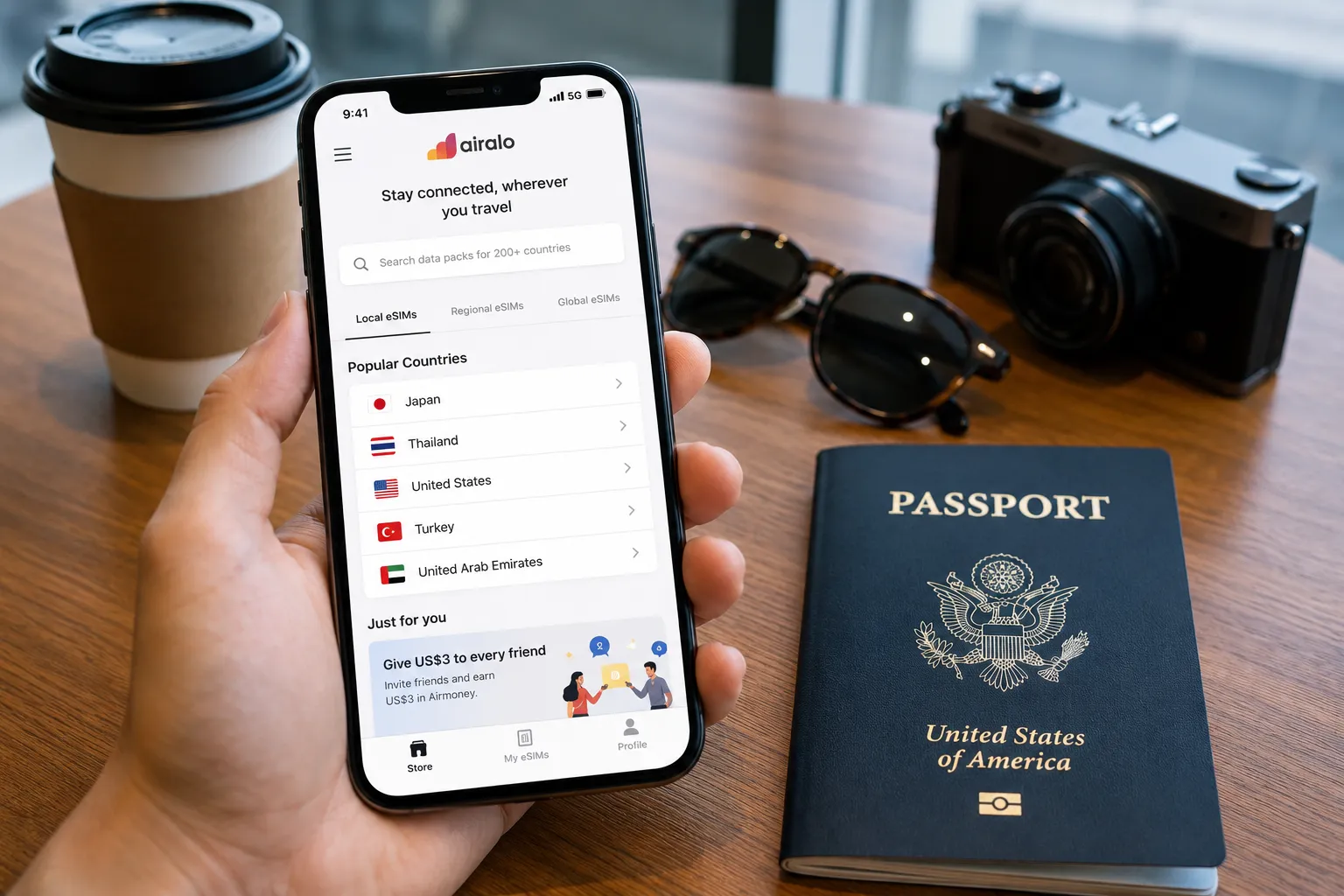
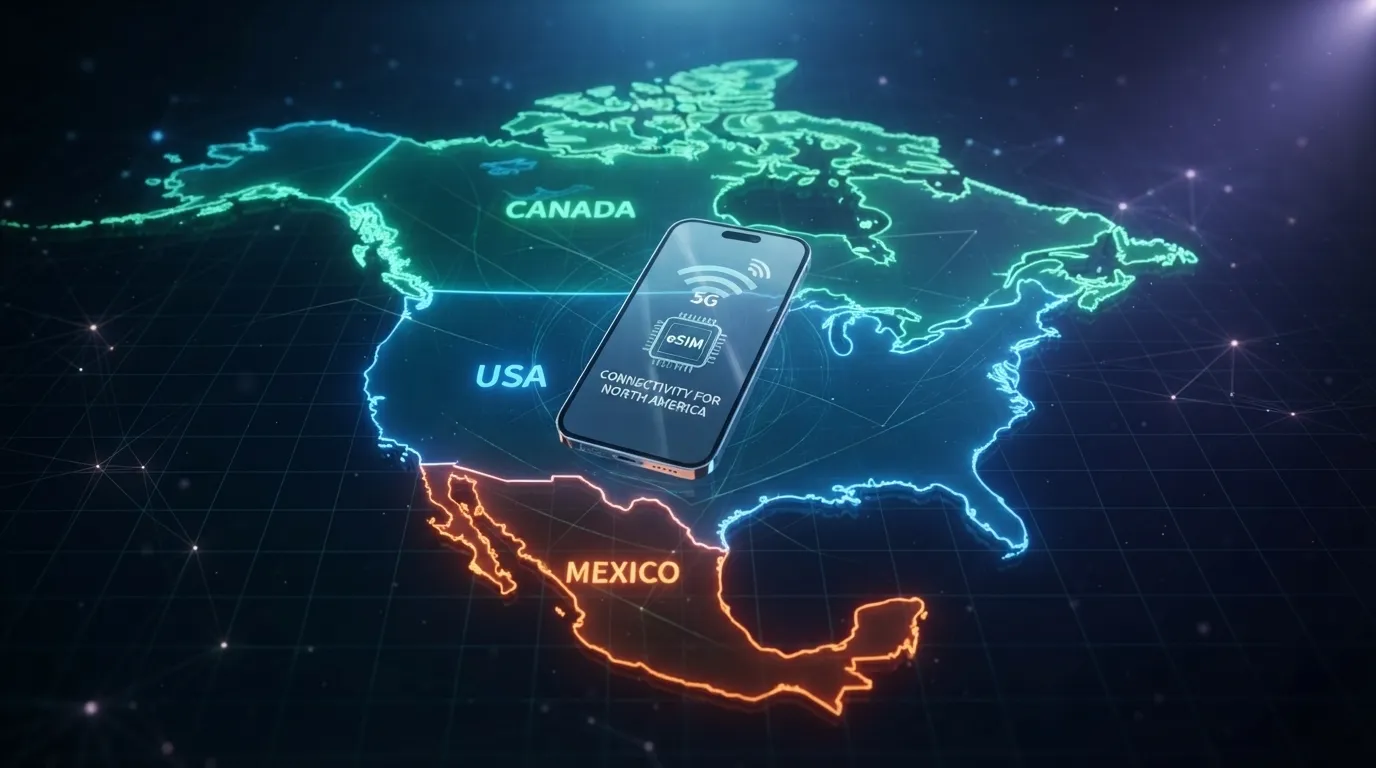
About your phone: navigation apps eat data quickly, and roaming charges can be painful. A travel eSIM sorted before you fly means your maps work the moment you land, before you've even found the rental desk. Get a travel eSIM for your destination here.
Ready to compare? Filter by automatic gearbox, fuel policy and free cancellation, and see the full price before you book.
Car Rental Insurance, Explained Like a Human
This is the section that saves people the most money, and the one most travellers skim. Please don't. Car rental insurance explained in plain words comes down to one idea: the excess.
The excess (deductible): the number that matters most
Almost every rental in Europe comes with basic damage cover, usually called a Collision Damage Waiver (CDW), plus theft protection. That sounds reassuring until you read the small print. It doesn't mean you pay nothing if the car is damaged. It means you pay up to a limit, called the excess or deductible. In the UK, excesses of £700 to £1,500 are typical. Elsewhere in Europe they can be higher, especially on bigger cars.
So if someone scrapes your door in a supermarket car park, you could pay the full excess, even though it wasn't your fault and even though you were "insured".
Your three ways to deal with the excess
| Option | How it works | Pros | Cons |
|---|---|---|---|
| 1. Super CDW at the desk | You pay the rental company a daily fee to reduce the excess to zero or close to it | Simplest. If anything happens, you walk away. Often a smaller deposit. | The most expensive option. In the UK it's often £12 to £22 per day. |
| 2. Full cover when you book online | A comparison or booking site sells a policy that refunds your excess if you're charged | Usually much cheaper than the desk. | You pay the rental company first, then claim back. The rental company still blocks a full deposit on your card. |
| 3. Standalone excess insurance or credit card cover | An independent policy, sometimes annual, or cover included with a premium credit card | Cheapest for frequent travellers. In the UK, around £4 to £6 per day. | Same pay-then-claim process. Read exactly what's excluded. |
There's no single right answer. If you hate paperwork and want zero stress, buy the desk cover and enjoy your trip. If you're comfortable with a large deposit on your card and a claims form in the unlikely event of damage, options 2 or 3 save real money. What you should never do is drive with a high excess and no plan for it.
What insurance usually doesn't cover
- Tyres, windscreen, mirrors, roof and underside of the car (often sold as a separate "glass and tyres" add-on)
- Damage from driving on unpaved roads or anywhere the contract forbids
- Water damage from river crossings, a big issue in Iceland
- Lost keys and wrong fuel (petrol in a diesel, or the other way round)
- Anything that happens while the driver is over the alcohol limit or not listed on the contract
The deposit and why you need a real credit card
When you collect the car, the company blocks a security deposit on your card. It's not a charge, just a hold, but it reduces your available credit. It can range from a few hundred to several thousand in local currency. Most companies insist on a credit card in the main driver's name. Many refuse debit cards entirely, and others accept them only if you buy their top cover. Prepaid cards are almost never accepted. Check this before you fly. It's one of the most common reasons travellers lose a booking.
The 10-Minute Pickup Routine That Saves You Money
You've landed, you're tired, and the queue was long. The temptation is to grab the keys and go. Don't. These ten minutes are the best-paid minutes of your entire holiday.
- Film the car before you touch it. Walk slowly around it with your phone recording, then film the wheels, windscreen, roof, bumpers and interior. Say the date and time out loud. If the lighting is bad, use the torch.
- Compare every scratch with the damage sheet. If something isn't marked, go back to the desk and have it added and signed before you leave.
- Photograph the fuel gauge and the mileage.
- Check the safety kit the law requires. Warning triangle and hi-vis vest in France, a V16 beacon in Spanish-registered cars. They should be in the car. If they're missing, you're the one who gets fined.
- Find the basics before you're on the motorway: headlights, wipers, reverse gear (some manuals have a trick ring or button), fuel cap release, and whether the car takes petrol, diesel or is electric.
- Ask about tolls and low-emission zones. Is there a transponder? How will tolls be billed? Does the car have the right emissions sticker for the cities you'll visit?
- Check what the contract says about borders, ferries and unpaved roads.
- Save the breakdown number in your phone. Not on a piece of paper in the glovebox.
- Set the satnav before you move, and choose "avoid tolls" or "avoid city centre" now if that's your plan.
- Take a slow lap of the car park. Feel the brakes, the clutch, the width of the car. Your body needs a minute to learn a new car, especially on the other side of the road.
What Driving in a Foreign Country Actually Feels Like
Nobody puts this in the terms and conditions, so let's talk about it honestly. The first twenty minutes of driving abroad are tiring. Your brain is doing three jobs at once: driving the car, reading unfamiliar signs, and translating everything into rules it already knows. Roundabouts may flow the "wrong" way. A sign you've never seen tells you something important, and you're past it before you've worked out what.
If you're switching sides of the road, you'll reach for the gearstick with the wrong hand and find the door. You'll drift towards the kerb because your sense of where the car ends is suddenly a metre off. At every junction, a small voice in your head will whisper keep left, keep left, or keep right, like a mantra.
And then, usually somewhere on the first open road, it changes. The signs start to make sense. Your shoulders drop. You notice the light on the hills, the smell of something baking as you pass through a village, the way local drivers raise a finger from the steering wheel to say hello. You realise you're not just getting from A to B anymore. You're travelling, in the oldest sense of the word, moving through a place at its own pace.
That shift from tension to freedom is why people who rent a car once tend to do it again. The trick is to plan your first drive so it's short and simple. Pick up in the morning, not after a night flight. Avoid the city centre on day one. Give yourself an easy first destination. The beautiful part will come.

Country Guides: Renting a Car in 10 of the World's Most Visited Countries
Every country has its own personality on the road. Some are polite and orderly, some are passionate, and some will test whether you really read the signs. For each destination below you'll find a short scene to put you in the driver's seat, the rules that matter, typical 2026 prices, and our honest verdict.
About the prices: European figures are typical daily rates for an economy car from major providers, by season. Low season runs from November to March, high season covers April to June and September to October, and peak is July and August. They come from a 2026 price index compiled from large booking platforms. They're a guide, not a quote. Your real price depends on dates, pickup point, car class and how early you book.
1. Renting a Car in France

Imagine this: you leave Paris behind on a grey morning, the périphérique hissing with traffic, and three hours later the sky has turned a different colour. The autoroute toll barrier lifts with a polite beep, and you're through. By afternoon you're crawling up a narrow road in the Luberon. Stone walls on both sides, a tractor ahead of you, nobody in a hurry. You pull into a village square, buy a warm baguette and a wedge of cheese you can't pronounce, and eat it on the bonnet of your little rental car while the bells ring four o'clock. Nobody honks. Nobody's in a rush. This is France at 50 km/h, and it's wonderful.
| France at a glance | Details |
|---|---|
| Driving side | Right |
| Speed limits | Motorways 130 km/h (110 km/h in rain). Rural two-way roads 80 km/h, raised to 90 km/h in some departments. Towns 50 km/h. Follow the signs, because limits change at department borders. |
| Alcohol limit | 0.5 g/l, and 0.2 g/l for new drivers |
| Licence / IDP | A licence not written in French needs an IDP or a certified translation for short stays |
| Must-have in the car | Hi-vis vest within reach of the driver, and a warning triangle |
| Tolls | Most autoroutes are tolled. Pay by card at the barrier. |
| Low-emission zones | A Crit'Air sticker is needed to enter low-emission zones (ZFE) in cities including Paris, Lyon, Grenoble, Strasbourg and Marseille. Driving in one without it risks a €68 fine. |
| Typical economy price | Around €18/day (low), €35/day (high), €55/day (peak) |
What catches tourists out: holding your phone while driving costs €135 and penalty points, and some departments add an immediate licence suspension. Speed camera detectors are illegal, and that includes phone apps that warn you about fixed camera positions, so switch off that feature. In some older towns you'll still meet priorité à droite: at unmarked junctions, traffic coming from your right has priority, even onto what looks like the main road. Ask the rental desk whether your car has a Crit'Air sticker if you plan to drive into a big city. Better still, don't drive into Paris at all.
Where a car shines: Provence and the Luberon, the Côte d'Azur's hill villages, the Loire Valley châteaux, Normandy's D-Day beaches, Alsace's wine route, the Dordogne. Public transport reaches the towns but rarely the places between them, and the places between them are the point.
2. Renting a Car in Italy

Imagine this: the Tuscan morning is soft and gold, and the road from Siena unrolls between rows of cypress trees like a ribbon somebody dropped on the hills. A Fiat overtakes you with total confidence on a bend you wouldn't have dared. The driver waves, almost kindly. You stop at a winery where the owner pours you a taste of something red while explaining, with his hands more than his words, that you must try the one from 2019. You can't drink it, because you're driving. He laughs and wraps up a bottle for later. Then you drive to Montepulciano, park outside the old walls like a person who read this guide, and walk up into the town while everyone else circles looking for a space.
| Italy at a glance | Details |
|---|---|
| Driving side | Right |
| Speed limits | Autostrada 130 km/h (110 km/h in rain). Main roads outside towns 110 km/h. Secondary roads 90 km/h. Towns 50 km/h. |
| Alcohol limit | 0.5 g/l, and zero for drivers who have held a licence for less than three years |
| Licence / IDP | Carry an IDP with a non-EU licence. Police can fine you even if the rental desk didn't ask for it. |
| Headlights | Dipped headlights are required outside built-up areas, day and night |
| Tolls | Take a ticket on entering the autostrada and pay at the exit. Use the lanes marked for cards or cash, never the yellow Telepass-only lanes unless your car has a device. |
| Typical economy price | Around €25/day (low), €50/day (high), €75/day (peak) |
Driving in Italy ZTL fines aside, what else should you know? Italian drivers are assertive, not aggressive. They expect you to be decisive, so hesitation causes more problems than speed. On the autostrada, average-speed cameras called "Tutor" calculate your speed between two points, so slowing down only for the camera doesn't help. Parking lines matter: blue means paid, white is usually free, and yellow is reserved for residents or disabled drivers.
Where a car shines: Tuscany and Umbria, Puglia, Sicily, the Dolomites, Lake Como's quieter shores. On the Amalfi Coast in summer, a car becomes a burden on a narrow road with no parking. Many visitors are happier using ferries and buses there.
3. Renting a Car in Spain

Imagine this: you leave Málaga's airport with the windows down and the air smelling of hot pine and sea salt. Within an hour the coastal concrete gives way to mountains, and the road starts switching back and forth up a hillside so steep the white village above you looks pinned to the rock. You park at the top, walk a lane barely wider than your shoulders, and find a terrace where the waiter brings olives you didn't order and a view you couldn't have paid for. Later, on the way down, the sun drops behind the ridge and turns everything pink. You realise you've stopped thinking about the car. It's just how you move now.
| Spain at a glance | Details |
|---|---|
| Driving side | Right |
| Speed limits | Motorways 120 km/h. Conventional roads 90 km/h. Towns 50 km/h, and 30 km/h on many single-lane urban streets. |
| Alcohol limit | 0.5 g/l, and 0.3 g/l for novice drivers |
| Licence / IDP | Carry an IDP with most non-EU licences |
| New in 2026 | Since 1 January 2026, Spanish-registered cars, which includes your rental, must carry a connected V16 emergency beacon instead of warning triangles. Not carrying one can mean an €80 fine. |
| Tolls | Fewer than before. Several major motorways that used to charge tolls are now free, but some routes still charge. |
| Typical economy price | Around €22/day (low), €45/day (high), €70/day (peak) |
How the V16 beacon works: it's a small orange light with a magnet on the base. If you break down, you switch it on and place it on the car roof without walking into traffic to set up a triangle. The connected version also sends your location to the traffic authority. Check that it's in the glovebox at pickup. If it isn't, ask for one.
What catches tourists out: big cities like Madrid and Barcelona have low-emission zones. Rental cars are usually modern enough to comply, but check before driving in. Parking in central Barcelona and Madrid is expensive and car break-ins targeting visible luggage do happen, so never leave bags on display. On roundabouts, the official rule is to use the outside lane if you're taking a later exit. Locals don't always agree, so drive defensively.
Where a car shines: Andalusia (Ronda, the white villages, Granada to the Alpujarras), Costa Brava's coves, Galicia, Asturias, and the Canary and Balearic islands. Islands like Tenerife, Gran Canaria and Mallorca are some of the cheapest and easiest places in Europe to rent a car.
4. Renting a Car in the United Kingdom

Imagine this: you sit down on what your body insists is the passenger side, and the steering wheel is right there in front of you. The gearstick is under your left hand. At the first roundabout you go clockwise, saying it out loud, and the car behind you waits patiently, because this is Britain and waiting is a national skill. Two days later you're in the Scottish Highlands on a single-track road. A car appears ahead, and you both pull into a passing place, so you wave. They wave back. Rain moves across the valley like a curtain being drawn, then sunlight hits the loch and the whole landscape turns silver. You pull over, switch the engine off and just look.
| UK at a glance | Details |
|---|---|
| Driving side | Left. Steering wheel on the right. |
| Speed limits | Measured in miles per hour. Motorways 70 mph, single carriageways 60 mph, towns 30 mph, many residential streets 20 mph. |
| Alcohol limit | England, Wales and Northern Ireland: 80 mg per 100 ml of blood. Scotland is stricter at 50 mg. If you're driving, don't drink. |
| Licence / IDP | Visitors can drive on their own licence for up to 12 months. An IDP is needed if your licence isn't in the Latin alphabet. |
| Age | Usually 21+. Drivers under 25 typically pay £20 to £40 per day extra. |
| Insurance excess | Often £700 to £1,500 unless you reduce it |
| London charges | Congestion Charge: £18/day (07:00 to 18:00 weekdays, 12:00 to 18:00 weekends). ULEZ: £12.50/day for non-compliant cars, though most modern rentals comply. ULEZ penalty: £180, halved if paid within 14 days. |
| Typical economy price | Around £58/day on average for a compact economy car |
What catches tourists out: London. Driving into central London means paying the Congestion Charge yourself, through TfL's official website or app (not lookalike sites that add fees), on the day or by the deadline. Rental companies pass unpaid charges on with an admin fee. The other trap is width. Country lanes in Cornwall, Devon and the Cotswolds can be narrower than your car feels, with stone walls and hedges on both sides. Book a small car and reverse slowly to the nearest wide spot when you meet a tractor. It's the local way.
Where a car shines: the Scottish Highlands and the North Coast 500, the Lake District, the Cotswolds, Cornwall, Snowdonia (Eryri) and the Welsh coast, the Yorkshire Dales.
5. Renting a Car in the USA

Imagine this: the road out of Las Vegas runs straight to the horizon, and then keeps going. Cruise control on, music up, the desert changing colour every hour from beige to rust to deep red. You stop at a gas station where the fridge is the size of a small room and buy a drink bigger than your head, because why not. By late afternoon the canyon opens up beside the road like the earth was split with an axe. You park at a viewpoint, walk to the edge, and go completely quiet. Tomorrow there's another 400 miles, and you can't wait.
| USA at a glance | Details |
|---|---|
| Driving side | Right |
| Speed limits | Set by each state, in mph. Interstates are often 65 to 75 mph, sometimes higher in western states. Towns are often 25 to 35 mph. |
| Alcohol limit | 0.08% in most states, and 0.05% in Utah. Open alcohol containers in the car are illegal in most states. |
| Licence / IDP | Not required by federal law. Carry one if your licence isn't in English. |
| Age | Usually 21+ with major companies. Under-25 fees range from about $15 to $65 per day depending on the state. |
| Insurance | Damage waivers typically add $15 to $30 per day. Liability cover matters a lot in the US, so check what's included. |
| Typical price | Averages of around $40 to $45 per day have been reported, but airport taxes and fees can add a lot |
What catches tourists out: airport fees and taxes can add a big percentage to the base rate, so compare the total price. In most states you may turn right on a red light after a full stop, unless a sign says otherwise. It's banned in New York City. When a yellow school bus stops with its red lights flashing, traffic in both directions must stop on most roads, and the fines are serious. Toll roads in states like Florida, Texas and California are often cashless. Rental companies offer toll programmes with a daily fee on top of the tolls, so ask how they work before you leave the lot. And distances are vast. Plan fuel stops in deserts and national parks, where the next station can be far away.
Where a car shines: almost everywhere outside a few big cities. California's Highway 1, the national parks of Utah and Arizona, Florida, Texas, the Rockies, New England in autumn.
Planning a road trip in Europe or the USA? See prices from top brands and local companies, with the total cost shown upfront.
6. Renting a Car in Iceland

Imagine this: it's eleven at night and the sun is still up, hanging low over a black-sand beach. You're the only car on the Ring Road for twenty minutes. Every turn shows you something that doesn't look real: a waterfall dropping off a cliff for no particular reason, a glacier tongue spilling between mountains, a field of moss so green it looks lit from inside. The wind is strong enough to rock the car on its springs. When you stop, you hold the door with both hands before you open it, just like the woman at the rental desk told you. Then you step out into the coldest, cleanest air you've ever breathed.
| Iceland at a glance | Details |
|---|---|
| Driving side | Right |
| Speed limits | 90 km/h on paved roads, 80 km/h on gravel, 50 km/h in towns |
| Alcohol limit | Very low at 0.2‰. Treat it as zero. |
| Headlights | Must be on at all times, day and night, all year |
| F-roads (Highland roads) | Legal only in 4x4 vehicles. Usually open from mid-to-late June until late September, but dates vary by year and route. |
| Off-road driving | Illegal everywhere, with heavy fines. Leaving a marked track, even briefly, counts. |
| Typical economy price | Around €55/day (low), €90/day (high), €130/day (peak). Iceland is one of Europe's most expensive rental markets. |
Driving in Iceland, F-roads and rental insurance: this is the country where insurance add-ons stop being upsells and start making sense. Gravel protection covers stone chips from passing cars, which are extremely common. Sand and ash protection matters on the south coast in strong winds, when blown sand can strip paint and glass. The most important rule is about rivers. On the F-roads you'll ford rivers with no bridge. Damage from water is often excluded from standard insurance, and some companies cover a legal crossing only under specific add-ons. Damage from illegal crossings or off-road driving isn't covered by any policy, and you pay the full cost. If you're not sure a river is safe, don't cross it. Turn around.
What catches tourists out: wind, and it's no joke. Gusts can tear a car door off its hinges, and it isn't covered. Park facing the wind and open doors with two hands. Single-lane bridges are everywhere, and the car closest to the bridge has priority. Never stop on the road to take photos, even if the view is begging. Use proper lay-bys. Before every drive, check umferdin.is for road status, safetravel.is for warnings and vedur.is for the weather. A road marked closed there is closed by law.
Summer vs winter: in summer, a 2WD car handles the Ring Road comfortably. From October to April, choose a 4x4 with winter tyres (studded tyres are common), plan short driving days because daylight is limited, and stay flexible. Storms close roads, sometimes for a day or more.
7. Renting a Car in Greece

Imagine this: the island road climbs out of the port in a series of hairpins, and every bend shows you more sea. It's deeper blue than seems possible. A goat stands in the middle of the road and looks at you with total indifference until you nudge forward and it wanders off, unimpressed. You follow a hand-painted sign down a dusty track to a beach with three umbrellas, one taverna and water so clear you can see your shadow on the sand below. The owner grills fish you saw in the boat an hour ago. You spend the afternoon here, and nobody else finds it.
| Greece at a glance | Details |
|---|---|
| Driving side | Right |
| Speed limits | Towns 50 km/h, residential zones 30 km/h where posted, rural roads up to 90 km/h, main roads 110 km/h, motorways up to 130 km/h |
| Alcohol limit | 0.5 g/l, and 0.2 g/l for new drivers |
| Licence / IDP | Required for most non-EU licences, including US, Canadian, Australian and New Zealand licences. Get it before you travel. |
| Typical economy price | Around €20/day (low), €42/day (high), €65/day (peak) |
What catches tourists out: the IDP rule is enforced at many rental desks, and arriving without one is the most common way travellers lose a Greek booking. Rural roads can be narrow, steep and twisting, with little lighting at night and the occasional animal. Drive slower than the limit allows. Many rental contracts don't allow you to take the car on a ferry without written permission, and insurance may not apply on board, so if you're island-hopping, it's usually smarter and cheaper to rent a new car on each island. In towns, yellow lines and pedestrian zones are enforced, and towing happens.
Where a car shines: Crete (big enough for a week of driving), Peloponnese, Naxos, Kefalonia, Rhodes, Corfu, and mainland routes like Meteora and Delphi. On tiny islands, a quad, scooter or small car is plenty.
8. Renting a Car in Portugal

Imagine this: you follow the coast west from Lagos and the land simply runs out. Golden cliffs drop into the Atlantic, the wind smells of salt and wild herbs, and the road narrows until it ends at a lighthouse that marks the edge of Europe. A week later you're in the Douro Valley, the car winding along terraced hills of vines that drop to a slow, glassy river. A quinta at the top of the slope has a terrace, a table and a view down the whole valley. You came for the wine, but you'll remember the drive.
| Portugal at a glance | Details |
|---|---|
| Driving side | Right |
| Speed limits | Motorways 120 km/h, rural roads 90 km/h, towns 50 km/h |
| Alcohol limit | 0.5 g/l, and 0.2 g/l for new drivers |
| Licence / IDP | Recommended for most non-EU licences |
| Tolls | Many motorways have electronic-only tolls with no booth to pay at |
| Typical economy price | Around €18/day (low), €38/day (high), €58/day (peak). One of Western Europe's best-value countries for car rental. |
The toll problem and the easy fix: on many Portuguese motorways, including the Algarve's A22, overhead cameras register your plate and there's no booth. Without a plan, unpaid tolls come back to you through the rental company, plus admin fees. The simple solution is to ask for the Via Verde toll transponder at the rental desk. It's usually a small daily fee, often capped, and tolls are billed to your card automatically. If you drive a foreign-registered car in from Spain, there are other systems, like EasyToll terminals near the border, prepaid Toll Cards, or a temporary Via Verde visitor device.
What catches tourists out: Lisbon's and Porto's steep, narrow, tram-lined streets. Driving in them is a stress test, and parking is scarce. In the Algarve in August, beach car parks fill by mid-morning. Arrive early or accept a walk.
Where a car shines: the Algarve, the Alentejo's cork forests and white towns, the Douro Valley, the Silver Coast (Nazaré, Óbidos), and the islands of Madeira and the Azores, where a car is the best way to reach viewpoints and trailheads.
9. Renting a Car in the UAE (Dubai and Abu Dhabi)

Imagine this: you pull onto Sheikh Zayed Road just as the city lights come on. Twelve lanes, glass towers rising on both sides, the Burj Khalifa glowing ahead like the tip of a needle. The road is perfect and the car is cold inside while the air outside is warm. An hour and a half later you've left the city behind and the desert is rolling past in long orange waves. The next morning you take the mountain road up to Hatta, and the landscape turns rocky and dramatic, with turquoise water sitting between the cliffs like a secret.
| UAE at a glance | Details |
|---|---|
| Driving side | Right |
| Licence | GCC licences (Saudi Arabia, Qatar, Bahrain, Kuwait, Oman) are accepted directly. Visitors on a tourist or visit visa from a list of approved countries, including the UK, US, Canada, Germany, France, Japan and South Korea, can drive on their home licence. Everyone else needs an IDP plus their original licence, usually held for at least 12 months. |
| Age | Minimum 21. Some luxury and high-performance companies require 25+. |
| Alcohol | Zero tolerance for driving after drinking |
| Speed | Limits are posted on every road and enforced by dense camera networks. Fines can be heavy. |
| Tolls (Dubai Salik) | AED 6 at peak times (06:00 to 10:00 and 16:00 to 20:00, Monday to Saturday), AED 4 at other times, free from 01:00 to 06:00. Sundays are AED 4 all day, apart from the free hours. Rental companies add tolls to your bill, often with an admin fee. |
| Typical price (Dubai) | Economy cars around AED 119 to 179 per day. SUVs around AED 199 and up. Luxury from about AED 299. |
Dubai car rental for tourists, the practical side: you'll need your passport, visa, licence (and IDP if your country isn't on the approved list) and a credit card in the driver's name. Ask exactly how Salik tolls and traffic fines are billed. Some companies add a percentage-based admin fee to every toll. The security deposit can take weeks to be released after you return the car, especially if paid by debit card, because companies wait to see if any fines arrive.
What catches tourists out: speed cameras. They're everywhere, including average-speed systems on some highways, and fines land on your rental bill. Lane discipline is strict, and sudden lane changes or tailgating can be fined. Parking in Dubai is mostly paid by zone, through an app or SMS. Check the signs carefully.
Where a car shines: Dubai to Abu Dhabi (Louvre, Grand Mosque, Yas Island), Hatta in the mountains, Jebel Jais in Ras Al Khaimah, Fujairah's east-coast beaches, and the Liwa desert.
10. Renting a Car in Japan

Imagine this: the car is small, spotless and smells brand new. The satnav greets you in a cheerful voice, and switching it to English takes two tries and some laughter. You drive out of the city on the left side of the road and everything is calm. Nobody honks, nobody pushes in, and drivers flash their hazards briefly to say thank you when you let them merge. In the mountains of Hokkaido, the road curves through forests turning red and gold. You stop at a roadside station where farmers sell melons, ice cream and hot soup, and you eat looking at a lake so still it doubles the mountains. It's the most peaceful drive of your life.
| Japan at a glance | Details |
|---|---|
| Driving side | Left. Steering wheel on the right. |
| Licence / IDP | A 1949 Geneva Convention IDP, paper original only, with the correct vehicle category marked. 1968 Vienna permits, digital copies and unofficial online permits are not accepted. Licences from Switzerland, Germany, France, Belgium, Monaco and Taiwan can instead use an authorised Japanese translation. |
| How long | You can drive for up to one year from your arrival in Japan, and never beyond your permit's own expiry date |
| Alcohol | Effectively zero tolerance. Don't drink anything if you're driving. Passengers who knowingly ride with a drunk driver can also be punished. |
| Tolls | Expressways are tolled and can be expensive. Rent an ETC card with the car, usually around 500 yen for the whole rental, to pay automatically. Some sections can't be used without it. |
| Typical price | Compact cars around 10,000 yen/day including insurance. Sedans around 15,000 yen. SUVs from 20,000 yen. |
Renting a car in Japan with a foreign licence, step by step: get the right IDP at home. Check that your country issues the 1949 version, because not all do. Bring your original licence and passport too. Rental companies may also ask for proof of your arrival date, since the one-year limit starts from landing. If you came through automatic immigration gates, ask for a landing stamp. If the counter rejects your documents, you won't be allowed to drive, and a refund isn't guaranteed. So check everything with the rental company in writing before you travel.
What catches tourists out: the documents, by far. After that, it's the cost of expressways and parking in cities. Some regions offer discounted expressway passes for overseas visitors, so ask your rental company. Stop signs are red triangles, and you must stop completely. At railway crossings, Japanese law requires you to stop before crossing even if no train is coming.
Where a car shines: Hokkaido, Okinawa, Kyushu, the Japanese Alps, Shikoku, and rural areas around Mount Fuji. These are places where trains are infrequent and the best spots are spread out.
Iceland, Greece, Portugal, Dubai or Japan? Compare cars, check the insurance and see the deposit before you book.
All 10 countries at a glance
| Country | Side | IDP (non-EU licence) | Alcohol limit | Typical economy price | Car worth it? |
|---|---|---|---|---|---|
| France | Right | Often | 0.5 g/l | €18–€55/day | Countryside: yes. Paris: no. |
| Italy | Right | Yes | 0.5 g/l (0 if licence < 3 yrs) | €25–€75/day | Regions: yes. Big cities: no. |
| Spain | Right | Usually | 0.5 g/l | €22–€70/day | Andalusia and islands: yes |
| UK | Left | Usually no | 80 mg (Scotland 50 mg) | ~£58/day | Outside London: yes |
| USA | Right | Usually no | 0.08% (Utah 0.05%) | ~$40–$45/day + fees | Almost everywhere: yes |
| Iceland | Right | Depends | 0.2‰ | €55–€130/day | Yes, definitely |
| Greece | Right | Yes | 0.5 g/l | €20–€65/day | Islands and mainland: yes |
| Portugal | Right | Often | 0.5 g/l | €18–€58/day | Outside Lisbon and Porto: yes |
| UAE | Right | Depends on country | Zero | AED 119–179/day | Beyond Dubai: yes |
| Japan | Left | Yes (1949 only) | Effectively zero | ~¥10,000/day | Countryside: yes. Cities: no. |
Returning the Car and the Fines That Arrive Months Later
The return is where good trips can end on a sour note, so treat it with the same care as the pickup.
- Refuel close to the drop-off point and keep the receipt. Some companies charge for refuelling if the needle isn't exactly on full.
- Allow extra time. Airport return lanes can be confusing, and you don't want to rush the inspection with a flight to catch.
- Film the car again, inside and out, in the return bay. Include the fuel gauge and the dashboard mileage.
- Get a signed return confirmation stating no new damage. If the office is closed and you're doing a key drop, your video is your only protection, so be thorough.
- Clear out everything. Sunglasses, charging cables and passports are the most commonly forgotten items.
Why your deposit takes so long and how fines find you
Traffic fines from cameras, ZTLs, tolls and parking are sent to the car's owner, which is the rental company. The company then identifies you as the driver and usually charges an admin fee straight away. The actual fine follows separately, often in the local language, sometimes many months later. In Italy, notices can arrive more than a year after your trip.
Don't ignore these letters. Check that the date, time and number plate match your rental. If they do, paying quickly is often cheaper, because several countries offer a discount for fast payment. If something looks wrong, contest it through the official channel shown on the notice. And keep your rental paperwork for at least 18 months. It's dull advice until the day you need it.

The 12 Most Expensive Mistakes Tourists Make When Renting a Car Abroad
Almost every horror story about renting a car abroad comes back to one of these. Avoid them and you've avoided nearly all of the risk.
- Forgetting the IDP in countries that require it, like Japan, Greece and Italy. It can cost you the whole booking.
- Bringing a debit card when the company insists on a credit card in the main driver's name.
- Driving into an Italian ZTL because the satnav said so. The satnav doesn't pay the fine.
- Skipping the pickup video and then being charged for scratches that were already there.
- Not understanding the excess and assuming "insured" means "free".
- Buying cover twice: paying for expensive desk insurance on top of a policy you already have through your booking or credit card.
- Choosing full-to-empty fuel and paying for a tank you don't use.
- Booking a big car for small roads. That SUV that felt like a bargain becomes a nightmare in a village in Sicily or a lane in Cornwall.
- Ignoring electronic tolls in Portugal or toll programmes in the USA, then paying admin fees on every unpaid gantry.
- Crossing a border or boarding a ferry without permission, which can leave you with no insurance at all.
- Drinking "just one" in a country with a lower limit than home. In Japan and the UAE, the answer is simply none.
- Driving off-road or into rivers in Iceland, the single most expensive mistake in this list, because no insurance covers it.
Your pre-trip checklist
- Driving licence (physical card), held for at least a year
- IDP, if needed for your destination (1949 version for Japan)
- Passport
- Credit card in the main driver's name, with enough limit for the deposit
- Booking confirmation, with insurance and excess details printed or saved offline
- Travel eSIM or data plan for maps
- Offline maps downloaded for your route
- Breakdown and rental office numbers saved in your phone
Got your checklist sorted? Lock in a good price now with free cancellation, and recheck closer to your trip.
Frequently Asked Questions About Renting a Car Abroad
Do I need an international driving permit to rent a car abroad?
Can I rent a car abroad with a debit card?
What is the excess on a rental car?
Is it cheaper to book a rental car in advance or at the airport?
How old do you have to be to rent a car abroad?
Is it worth renting a car in Italy as a tourist?
Can I drive in Japan with a foreign licence?
Do I need a 4x4 in Iceland?
How do tolls work in a rental car?
What happens if I get a speeding or parking fine in a rental car?
The Bottom Line
Renting a car abroad isn't complicated. It just has more moving parts than people expect. Get the paperwork right, understand the excess, film the car, respect the local rules, and keep the car out of city centres that were never designed for it. Do those five things and you've removed almost all the risk, leaving only the good part: the open road, the unplanned stop, the village at the end of the lane.
Every country in this guide looks different through a windscreen. Provence slows you down. Iceland humbles you. Japan calms you. The American West makes you feel very small and very free at the same time. A train shows you a country's stations. A car shows you everything in between.
So pick your road, book your car, and go see what's around the next bend.
Your road trip starts here. Compare trusted rental companies in 10 seconds, with clear insurance options and free cancellation on most bookings.
Compare car rental prices now →Also handy: travel eSIMs · airport transfers · attraction tickets and tours
Sources
Prices and rules checked in October 2026. Always confirm with your rental company and official sources before travelling.
- Car Rental Price Index 2026: Europe compared
- Government of Spain: connected V16 beacon
- ZTL zones in Italy: fines and how to avoid them
- Driving in France: rules and Crit'Air
- Driving in Japan: IDP and licence translation rules
- Renting a car in Japan: prices and ETC
- F-roads in Iceland: everything you need to know
- Driving rules in Greece
- Tolls in Portugal: how they work and how to pay
- London ULEZ and Congestion Charge 2026
- UK hire car guide 2026
- Bankrate: how much does it cost to rent a car
- Gulf News: driving in the UAE as a tourist
- Gulf News: Salik toll timings
- Dubai car rental prices 2026
Related Posts
-
 Transfers
Airport Transfer vs Taxi, Train or Rental Car
Which way into the city costs less, and when.
Read more →
-
Insurance
Best Travel Insurance Companies Reviewed
Seven companies compared on what actually pays out.
Read more →
-
eSIM
Best eSIM for International Travel
Airalo vs Saily vs Yesim on price, coverage and data.
Read more →
-
eSIM
Best eSIM for the USA, Canada and Mexico
One plan across three North American borders.
Read more →
-
Japan
Japan eSIM 2026: Best Picks for Tokyo
Airalo vs Saily for a trip to Japan.
Read more →