Is Vietnam Still Cheap in 2026? The Real Daily Travel Budget

Yes — but less emphatically than the internet keeps telling you, and the reason is not the one most guides give.
Vietnamese prices have genuinely risen. The National Statistics Office recorded consumer prices up 4.31% year-on-year across the first five months of 2026, with food and catering services up nearly 4.8% and May's headline reading hitting 5.6%. Heritage sites have been raising ticket prices by decree. Hotels are running hot on the back of 12.3 million international arrivals in the first half of 2026, up 14.9% on 2025.
And yet the number that lands in your bank statement has barely moved. The dong has been drifting against the dollar for years, which quietly refunds foreign visitors most of what Vietnamese inflation takes away. That is the real story of a Vietnam travel budget in 2026: costs are climbing in dong and roughly flat in dollars.
Below is what a day actually costs, with the arithmetic shown. All prices are converted at roughly 26,200 VND to US$1 — the mid-August 2026 market rate, which has traded between about 25,850 and 26,460 over the past year. Check it before you exchange.
Quick Answer: Is Vietnam Cheap in 2026?
Vietnam remains one of the best-value destinations in Asia once you land. A budget traveller should plan on US$25–45 a day; a mid-range traveller on US$70–125 a day; a comfortable traveller on US$155–290 a day. Those figures are per person, staying in one place, and exclude flights and long-distance travel between cities.
| Traveller type | Per day, solo | Per day, per person sharing | What that buys |
|---|---|---|---|
| Budget | $25–45 | $22–40 | Dorm bed or basic private room, street food, GrabBike, one cheap entry fee most days |
| Mid-range | $70–125 | $50–95 | 3-star private room, mix of street and sit-down meals, GrabCar, a paid activity daily |
| Comfortable | $155–290 | $110–215 | 4-star or boutique room, restaurant dining, private drivers, guided experiences |
Assumptions: per person, per day; excludes international flights, visa, insurance, and intercity transport (trains, sleeper buses, domestic flights), which are budgeted separately below. The solo column assumes one person paying for a whole room; the sharing column halves the room only.
How Much Does It Cost to Travel Vietnam?
The single most useful thing you can do with a Vietnam travel budget is split it in two: what a stationary day costs, and what moving costs. They behave completely differently.
A stationary day is remarkably stable across the country. Whether you are in Hue or Hanoi, a bowl of pho is a dollar or two, a coffee is under a dollar, a GrabBike across town is a dollar, and a decent room is $12–50. It is hard to spend a lot of money standing still in Vietnam.
Moving is where budgets break. A single overnight sleeper from Hanoi to Da Nang is 1,211,000–1,294,000 VND ($46–49) in a soft sleeper — roughly four days of a budget traveller's stationary spending, gone in one night. An overnight Ha Long Bay cruise starts around $105–160 per person at the budget end. Two or three of those decisions dominate a one-week total.
| Expense category | Typical share of an on-the-ground budget | Notes |
|---|---|---|
| Accommodation | 30–45% | The biggest lever, and the one that changes most with who you travel with |
| Food and drink | 20–30% | Barely moves in dollar terms; the most stable line in the whole budget |
| Activities and tours | 15–35% | The most volatile line — one cruise can outweigh a week of meals |
| Intercity transport | 10–20% | Rises sharply with the number of cities per week |
| Local transport | 5–8% | Grab keeps this small and predictable |
| Connectivity | Under 2% | A rounding error, but only if you avoid roaming |
Vietnam Daily Travel Budget
Accommodation
Vietnamese hotel pricing has split into two markets that move independently. Hostels and small guesthouses have hardly budged. Branded city hotels have run away.
Hanoi's average daily rate for the tracked hotel market reached about $124 in 2025, up from $112 the year before, and JLL has forecast a further 4–8% rise across major Vietnamese markets in 2026 — with Ho Chi Minh City hitting 83% occupancy in the fourth quarter of 2025. That pressure is real. It simply does not reach the $9 dorm bed.
| Accommodation type | Typical price per night | Where it applies |
|---|---|---|
| Hostel dorm bed | $5–12 | Aggregators put the national average near $8; Hoi An and Da Nang run higher |
| Budget private room / guesthouse | $12–25 | Fan or basic air-con, often family-run; best value outside city centres |
| Mid-range hotel (3-star) | $30–65 | Toward the top of the range in central Hanoi and District 1, Ho Chi Minh City |
| Upscale and 4-star | $80–140 | Where the 2026 rate inflation is concentrated |
| Luxury / 5-star resort | $150–400+ | Phu Quoc, Da Nang beachfront, heritage properties |
These are typical booking-platform ranges, not official rates. Expect the top of each band during Tet (Lunar New Year), Vietnamese school holidays in June–August, and international holiday weeks.
Food

Food is where the "Vietnam is still cheap" claim holds up most convincingly. Vietnamese press has documented the everyday Hanoi pho bowl stepping up from 30,000 to 35,000 to 40,000 dong over recent years — real inflation of 25–45% in local currency. Converted at 2026 rates, that same bowl went from roughly $1.30 to roughly $1.60. Six years of inflation cost a foreign visitor about thirty cents.
| Item | Typical price (VND) | Approx. USD |
|---|---|---|
| Banh mi from a street cart | 20,000–35,000 | $0.75–1.35 |
| Pho at a neighbourhood shop | 40,000–60,000 | $1.50–2.30 |
| Bun cha, com tam, local mains | 40,000–80,000 | $1.50–3.00 |
| Main dish, casual local restaurant | 80,000–200,000 | $3.00–7.60 |
| Ca phe sua da at a street cafe | 15,000–25,000 | $0.55–0.95 |
| Same coffee at Highlands or The Coffee House | 40,000–55,000 | $1.50–2.10 |
| Bia hoi (fresh draught, mainly northern) | 5,000–15,000 | $0.20–0.55 |
| Bottled local beer in a restaurant | 30,000–60,000 | $1.15–2.30 |
| Western or international restaurant main | 200,000–400,000 | $7.60–15.30 |
Two lines in that table explain most food overspending. The gap between street coffee and chain coffee is roughly triple. The gap between a local main and a Western main is roughly four times. Neither is about quality — it is about which room you sit in.
Budget $8–13 a day eating locally, $18–30 mixing in one sit-down meal, and $35–65 if you eat in restaurants aimed at visitors.
Transportation
| Option | Typical 2026 cost | When it makes financial sense |
|---|---|---|
| GrabBike | 15,000–25,000 VND short hop ($0.55–0.95) | Default for solo travellers with a daypack |
| GrabCar | 30,000–70,000 VND under 5 km ($1.15–2.70) | Luggage, rain, groups of two or more |
| City public bus | 7,000–10,000 VND ($0.25–0.40) | Only if you have time and no bags |
| Airport bus (Hanoi Bus 86) | 45,000 VND ($1.70) | Light luggage, daylight arrival; other Noi Bai routes cost about 10,000 VND |
| Train, soft seat (short hop) | Hue–Da Nang 106,000 VND ($4.05) | Unbeatable on the Hai Van Pass stretch |
| Train, soft sleeper (overnight) | Hanoi–Da Nang 1,211,000–1,294,000 VND ($46–49) | Saves a hotel night and a day of travel |
| Sleeper bus | 250,000–600,000 VND ($10–23) | Cheapest intercity option; 1.4–2× for VIP cabin berths |
| Domestic flight | $35–70 one-way, booked ahead | Anything over roughly 700 km, or when time costs more than money |
Trains are worth spelling out because travellers consistently overpay here. Private operators — Livitrans, Violette, Lotus — sell berths on the same Vietnam Railways carriages at roughly double the state fare. Hanoi to Da Nang runs about $85 with them versus $46–49 booking the identical soft sleeper through Vietnam Railways at dsvn.vn or an agency such as Baolau or 12Go. You get different coloured blankets and some free snacks.
The overnight sleeper's real advantage is arithmetic, not romance: it removes a hotel night and a travel day from your budget simultaneously. On a 10-day trip that is worth $30–60.
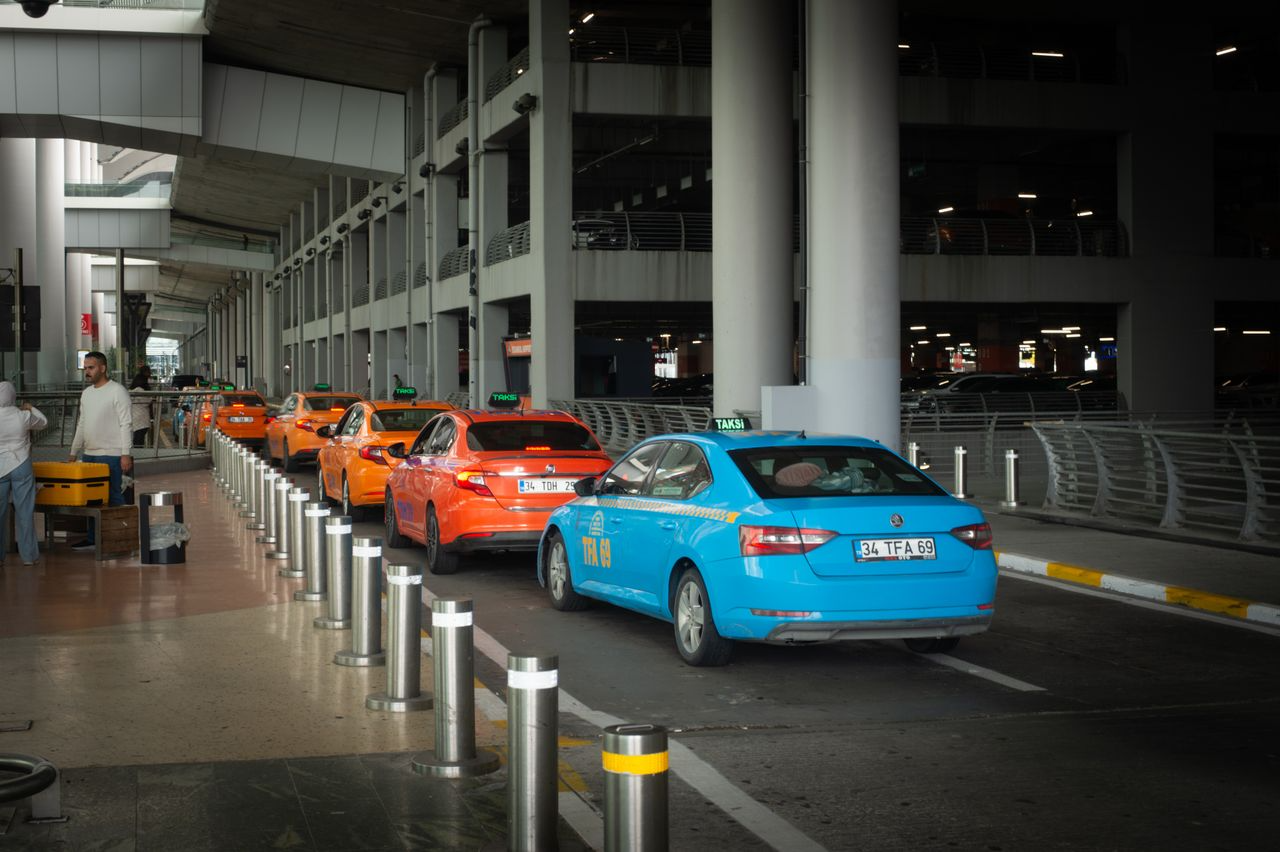
On arrival day: compare a pre-booked private airport transfer against Grab before you land. The gap is small in Vietnam, and a fixed price removes the single most common first-day overcharge. Our airport transfer vs taxi comparison covers when each option wins.
Things to Do
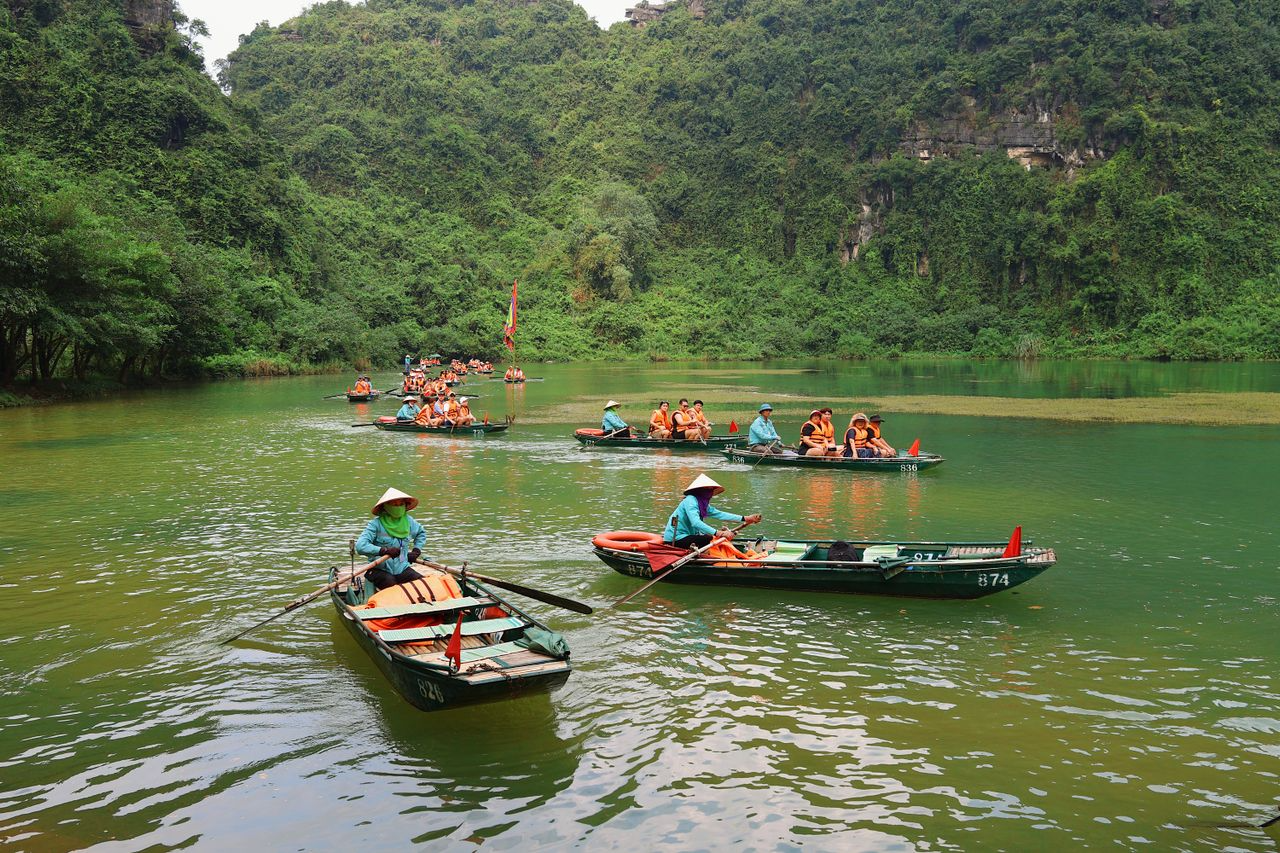
Vietnam's paid attractions are cheap individually and expensive in aggregate, because the famous ones are packages rather than tickets.
| Attraction | 2026 price | Type of price |
|---|---|---|
| Hoi An Ancient Town ticket | 120,000 VND ($4.60) foreign adult | Official; covers 5 of ~22 heritage buildings |
| Hue Imperial City | 200,000 VND ($7.65) | Official; unchanged since at least 2023 |
| Hue royal tombs (Minh Mang, Tu Duc, Khai Dinh) | 150,000 VND ($5.70) each | Official; route combos from 420,000 VND |
| Trang An boat tour, Ninh Binh | 300,000 VND ($11.45) | Official; raised from 250,000 on 1 January 2026 |
| Mua Cave | 150,000 VND ($5.70) | Official |
| Hoa Lu Ancient Capital | 20,000 VND ($0.75) | Official |
| Ha Long Bay sightseeing fee | 260,000–310,000 VND ($10–12) by route | Official, set by Quang Ninh province; a 600,000 VND premium route now exists |
| Ha Long overnight cruise | $105–160 budget, $145–250 mid-range | Market price, per person, one night |
| Cu Chi Tunnels | 35,000 VND admission; about 135,000 VND ($5.15) with the compulsory service and guide fee | Official + service |
| Ba Na Hills / Golden Bridge | 1,000,000 VND ($38) adult | Official operator price |
Note the shape of that list. Everything historic costs $1–12. Everything packaged — cruises, cable-car complexes, day tours with transport — costs $35–250. Your activities budget is decided almost entirely by how many packaged experiences you buy, not by how many temples you enter.
The free layer is unusually good. Walking Hoi An's Ancient Town costs nothing; the ticket is only needed to step inside the heritage buildings, and by the city's own reckoning most visitors never buy one. Hanoi's Old Quarter, Hoan Kiem Lake, the Saigon riverfront, Da Nang's My Khe Beach, the Hai Van Pass by motorbike, and every market in the country are free.
Travel eSIM and Connectivity
The cheapest line in your budget, and the easiest to get wrong.
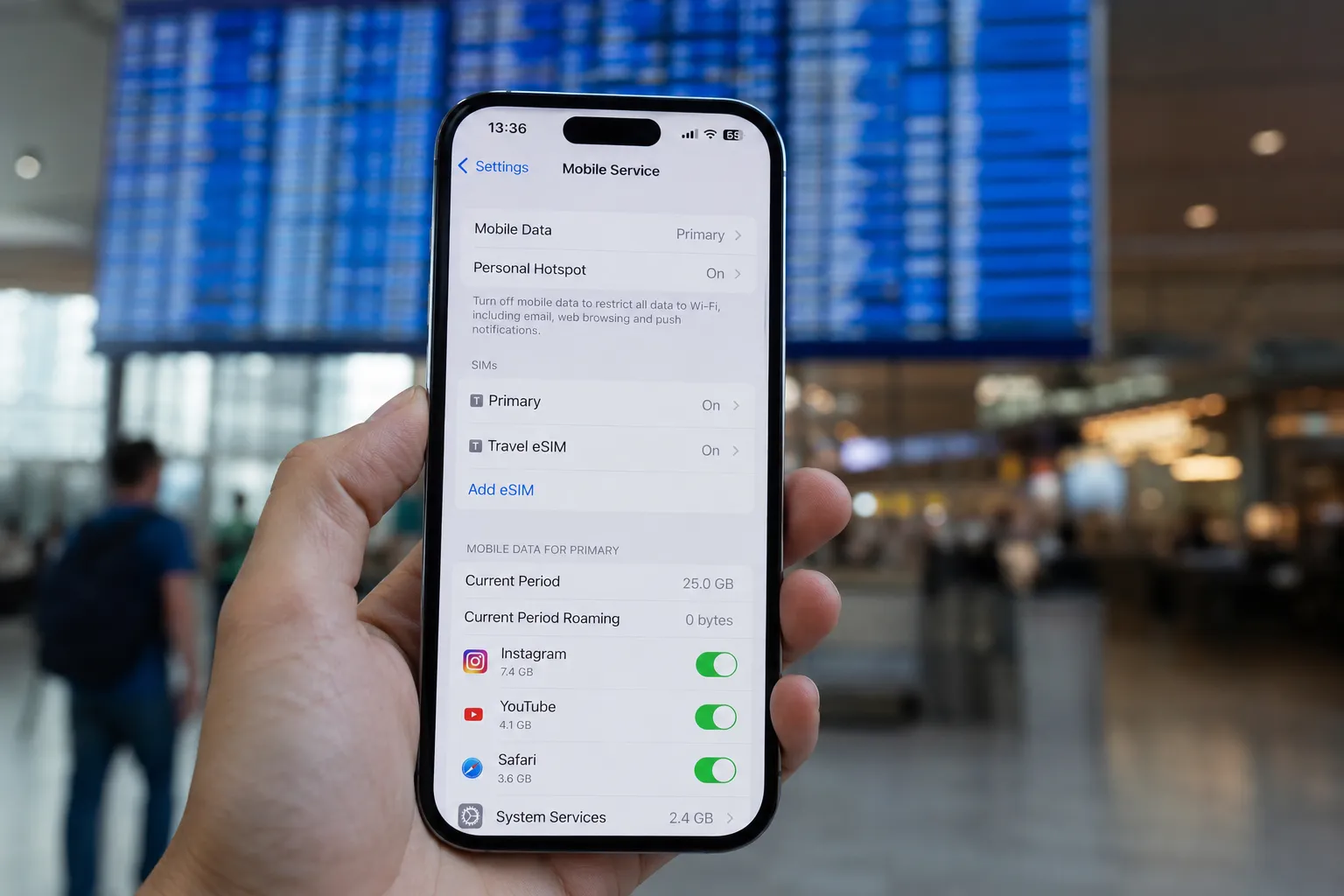
A local physical SIM with a tourist data plan costs 60,000–200,000 VND ($2.30–7.60) for 7–30 days, but requires passport registration at a counter. A travel eSIM typically runs $9–15 for a comparable window and works the moment you land, with no queue and no passport scan. Home-carrier roaming is the expensive mistake: $10–12 a day is common, which over ten days costs more than every attraction ticket in the table above combined.
Coverage matters more than price. Viettel holds the widest network — the difference only shows up in Ha Giang, Sapa and the rural Mekong, but that is exactly where you will want maps.
Ten days of home-carrier roaming costs more than every entry fee in this guide combined. A data plan bought before you fly is under $15 for the whole trip — see how the main providers compare on price, coverage and activation.
One free thing worth knowing: Vietnam's Digital Arrival Card became mandatory at Tan Son Nhat on 15 April 2026 and has since expanded to further airports. It costs nothing at the official portal, prearrival.immigration.gov.vn. Third-party sites charging for it are selling you a free government form.
What Can $50 a Day Get You in Vietnam?
Fifty dollars is a genuinely comfortable solo day — not a backpacker day, and not a luxury one. Here is a realistic allocation:
| Line | Amount | What it covers |
|---|---|---|
| Private room | $16 | Clean guesthouse or 2-star, booked ahead, outside the most central blocks |
| Food and drink | $14 | Pho breakfast $1.70, local lunch $3, sit-down dinner $7, two coffees $1.40, water $1 |
| Local transport | $5 | Three or four GrabBike rides, or a day's scooter hire |
| Activities | $7 | One paid entry on average — Trang An at $11.45 one day, free wandering the next |
| Connectivity | $1 | Amortised data plan |
| Miscellaneous | $7 | Laundry, a couple of beers, snacks, share of ATM fees |
| Total | $50 |
Assumptions: solo traveller, one city, no intercity transport that day, no cruise or big tour. Add a Ha Long cruise and $50 becomes $150 for that day.
At $50 you are not choosing between things. You are choosing where to sleep and how often to take a taxi. In Hanoi's Old Quarter or District 1 during peak season, $50 gets tighter and the private room becomes a small one.
How Much Does a 7-Day Trip to Vietnam Cost?
A 7-day trip costs roughly $310 budget or $775 mid-range per person, excluding international flights.
Sample route: Hanoi (3 nights) → overnight Ha Long or Lan Ha Bay cruise (1 night) → Ninh Binh (2 nights) → Hanoi.
| Line item | Budget (solo, dorms) | Mid-range (solo, private rooms) |
|---|---|---|
| Accommodation | $45 (5 nights × $9) | $240 (5 nights × $48) |
| Food and drink | $60 (6 days × $10) | $144 (6 days × $24) |
| Local transport | $18 | $50 |
| Intercity transport | $16 | $30 |
| Activities | $133 | $240 |
| Connectivity | $6 | $10 |
| Miscellaneous | $30 | $60 |
| Total | $308 | $774 |
| Per day | $44 | $111 |
Assumptions: international airfare, visa and insurance excluded. The cruise supplies the sixth night's bed and that day's meals, so accommodation and food count six days, not seven. Budget activities assume a $110 cruise, Trang An ($11.45), Mua Cave ($5.70), Hoa Lu ($0.75) and small Hanoi entries. Mid-range assumes a $190 cruise plus a guided food tour.
The cruise is over 80% of the budget traveller's activities line and more than a third of their entire week. Skip it for a Cat Ba Island stay and the budget total drops to roughly $230.
How Much Does a 10-Day Vietnam Trip Cost?
About $475 budget or $1,230 mid-range per person, on the ground.
Sample route: Hanoi (2 nights) → Ninh Binh (2 nights) → Ha Long cruise (1 night) → overnight train or flight south → Hue (2 nights) → Hoi An (3 nights).
| Line item | Budget (solo) | Mid-range (solo) |
|---|---|---|
| Accommodation | $63 (7 nights × $9) | $384 (8 nights × $48) |
| Food and drink | $90 | $216 |
| Local transport | $30 | $75 |
| Intercity transport | $75 | $150 |
| Activities | $165 | $300 |
| Connectivity | $8 | $12 |
| Miscellaneous | $45 | $90 |
| Total | $476 | $1,227 |
| Per day | $48 | $123 |
Assumptions: the budget version takes the Hanoi–Hue soft sleeper (about $44) and the Hue–Da Nang train (about $4); the mid-range version flies Hanoi–Da Nang (about $55) and uses private cars for transfers. Budget accommodation counts seven nights because the cruise and the overnight train each replace one.
How Much Does a 14-Day Vietnam Trip Cost?
About $695 budget or $1,780 mid-range per person if you cover the whole country — or roughly $585 budget if you slow down.
| Line item | Budget, full-country (solo) | Mid-range, full-country (solo) |
|---|---|---|
| Accommodation | $99 (11 nights × $9) | $576 (12 nights × $48) |
| Food and drink | $130 | $312 |
| Local transport | $45 | $105 |
| Intercity transport | $140 | $250 |
| Activities | $205 | $395 |
| Connectivity | $10 | $14 |
| Miscellaneous | $65 | $130 |
| Total | $694 | $1,782 |
| Per day | $50 | $127 |
Assumptions: north-to-south route adding Ho Chi Minh City and a Mekong Delta day trip, with one domestic flight (Da Nang–HCMC, about $45–60).
Where longer trips actually save money — and where they don't
Longer trips are supposed to be cheaper per day. In these worked examples they are not: the budget daily average climbs from $44 at seven days to $50 at fourteen, because each extra week added another region, another flight and another packaged tour.
Longer stays only save money when you actually stop moving. Run the same fourteen days without the southern leg — Hanoi, Ninh Binh, Ha Long, Hue, then five nights in Hoi An on a weekly rate — and the total falls to about $586, or $42 a day. That is a 16% saving on identical trip length.
The savings come from three places:
- Weekly accommodation discounts, which most guesthouses offer and almost nobody asks for
- One fewer domestic flight, worth $45–60 plus two airport transfers
- Fixed costs — visa, SIM, arrival transfer — spread over more days
Two weeks in Vietnam is cheap. Two weeks across Vietnam is not, particularly.
Vietnam Travel Budget for Two People
Couples get the single largest discount available in Vietnam, and it comes almost entirely from one line.
Shared: the room, taxis and private transfers, day-tour vehicles, the occasional bottle of wine. Charged per person: every meal, every entry ticket, every cruise berth, every train seat, every flight, every data plan.
| Trip length and style | Solo, per person | Couple, per person | Saving per person |
|---|---|---|---|
| 7 days, budget | $308 | $286 | $22 |
| 7 days, mid-range | $774 | $654 | $120 |
| 10 days, budget | $476 | $444 | $32 |
| 10 days, mid-range | $1,227 | $1,035 | $192 |
| 14 days, mid-range | $1,782 | $1,494 | $288 |
Assumptions: couple figures halve accommodation; all other lines are per person and unchanged.
The pattern is worth internalising. At budget level, travelling as a pair saves about 7% — dorm beds are already priced per person, so there is almost nothing to share. At mid-range, it saves 15–16%. The more you were going to spend on rooms, the more a travel partner is worth.
Accommodation is 30–45% of an on-the-ground budget and the one line where a couple's saving is real. Compare rates across your whole route rather than city by city — trading one expensive Hanoi night for a cheap Hoi An week is where the money is.
Vietnam Travel Budget for Solo Travellers
The solo supplement in Vietnam is roughly $26 a day at mid-range and about $2 a day at budget level. That gap is the most actionable number in this guide.
What solo travellers cannot avoid: the full room rate if they want privacy, the full per-person cruise fare (single supplements on Ha Long boats are common), and the full price of any private transfer.
Where solo travellers claw it back:
- Dorms erase the penalty entirely. A $9 dorm bed is $9 whether you are one person or five.
- GrabBike instead of GrabCar roughly halves local transport, and a solo traveller with a backpack can actually use it.
- Four-berth soft sleepers cost the same per berth regardless of who else is in the compartment. There is no single supplement on Vietnamese trains.
- Group day tours spread a driver and guide across a van. Solo travellers benefit most from exactly the tours couples find least appealing.
- Eating alone is cheaper per head. Street stalls and single-dish shops are built for one person; the shared-plates restaurants that suit couples carry higher minimums.
A solo traveller who sleeps in private rooms but travels by bike, train and group tour lands close to a couple's per-person cost. One who books private everything pays a 25–30% premium.
Hanoi vs Ho Chi Minh City vs Da Nang vs Hoi An
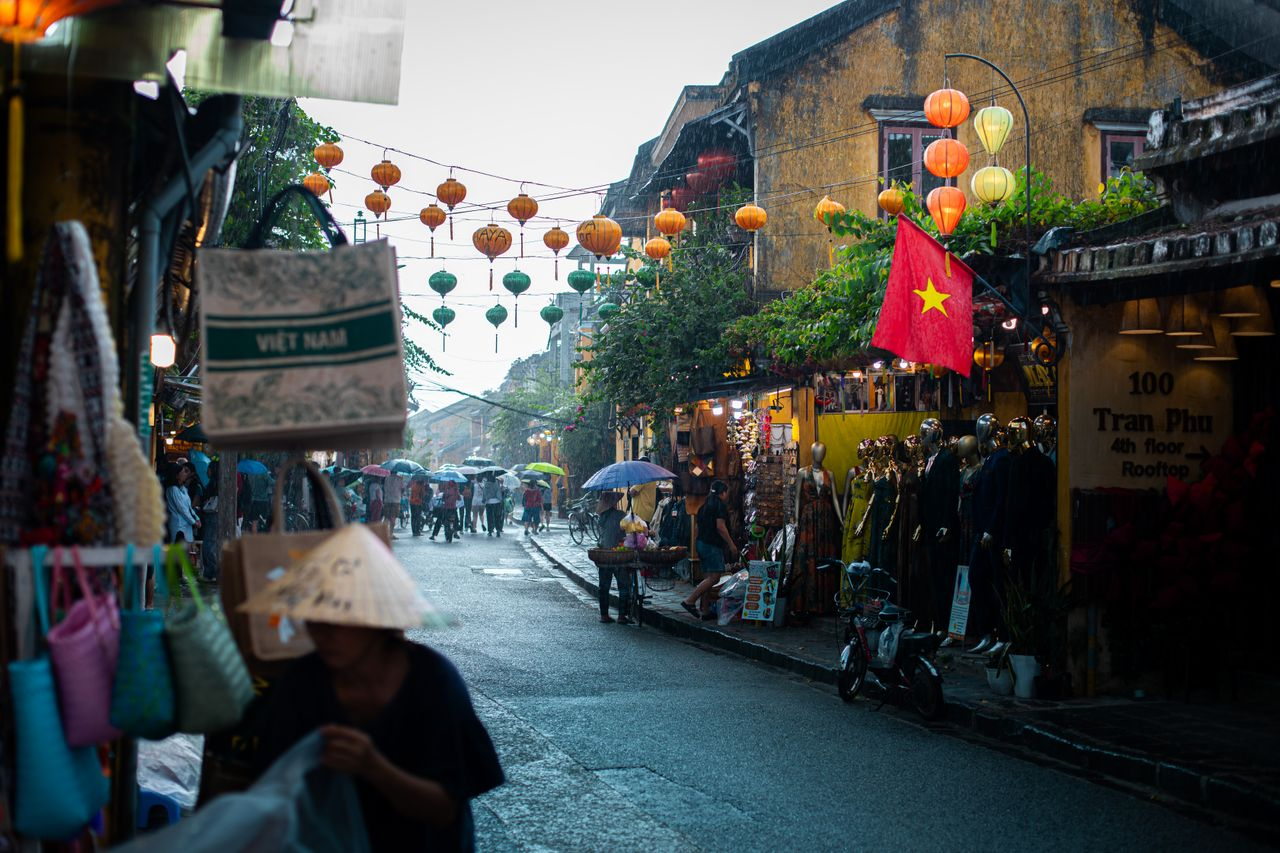
These four are close enough on price that choosing between them on cost alone is the wrong call. The differences that matter are structural.
| Category | Hanoi | Ho Chi Minh City | Da Nang | Hoi An |
|---|---|---|---|---|
| Accommodation | Cheapest budget beds of the four; Old Quarter carries a location premium | Highest 4-star rates; District 1 is the priciest square kilometre in Vietnam | Best mid-range value; beachfront supply is genuinely large | Highest hostel averages of the four; boutique stays are excellent value |
| Food | Cheapest, thanks to bia hoi and a dense street-food culture | Widest range; the most expensive Western dining in the country | Moderate; strong local seafood, less tourist pricing | Moderate; cheap local specialities, pricey riverside restaurants |
| Local transport | Compact centre, much of it walkable; short Grab hops | Sprawling; the highest daily Grab spend of the four | Spread out along the beach; scooter hire pays for itself | Almost entirely bicycle-able; the cheapest transport of the four |
| Activities | Very cheap in the city, expensive gateway to Ha Long and Sapa | Cheap museums, cheap Cu Chi, moderate Mekong day trips | Free beaches offset by Ba Na Hills at $38 | One $4.60 ticket covers the headline sight |
| Overall value | Best for cheap days with expensive excursions on the side | Best for people who want a city, not sights | Best for staying still and spending little | Best for slow, low-cost weeks |
Since the 2025 administrative reform merged Quang Nam province into Da Nang City, Hoi An is formally part of Da Nang City. For trip planning it remains a separate destination about 30 km south — but the shared airport and half-hour transfer make Da Nang and Hoi An the cheapest possible two-base itinerary in Vietnam.
Practical read: Hanoi if you want the lowest daily floor and are willing to pay for excursions. Hoi An if you want the lowest total for a slow week. Da Nang if you want beach and city without either premium. Ho Chi Minh City if you are there for the city itself — it is the only one of the four where a budget day requires real discipline.
How to Travel Vietnam Without Overspending
- Book trains through Vietnam Railways, not a tourist operator. The private carriages on the Hanoi–Hue–Da Nang route are the same carriages. Booking at dsvn.vn, Baolau or 12Go saves roughly $35 per overnight leg.
- Cut one city, not one meal. Removing a domestic flight and its transfers saves $80–120. Eating street food instead of restaurants for a week saves about the same, and one of those decisions costs you nothing you wanted.
- Book domestic flights three to four weeks out. Fares on Hanoi–Da Nang run $35–70 booked ahead and climb steeply inside a fortnight. Ceilings were lifted in March 2024, so there is no regulatory backstop on the top end.
- Avoid Tet entirely. Lunar New Year (late January or February) is the one period when Vietnamese travel economics invert. Sleeper bus fares commonly double or triple, trains sell out weeks ahead, and small businesses close.
- Buy the eSIM before you fly, never roam. Ten days of home-carrier roaming can cost more than ten days of activity tickets.
- Use the airport bus on arrival if you land in daylight. Hanoi's Bus 86 is 45,000 VND against 280,000–380,000 VND for a car. On a late-night arrival with luggage, take the car — the saving is not worth the friction.
- Take the 20,000 VND coffee, not the 55,000 one. Three coffees a day at chain prices costs about $90 over two weeks. At street prices it costs $30.
- Withdraw large amounts, rarely. Vietnamese ATMs typically charge 20,000–50,000 VND per withdrawal regardless of amount.
- Check whether you need a visa at all. Citizens of about two dozen countries — including the UK, Germany, France, Italy, Spain, Japan and South Korea — enter visa-free for up to 45 days. Everyone else pays $25 single-entry or $50 multiple-entry for a 90-day e-visa at the official portal. Agencies charging $60–100 are adding a service fee to a $25 government charge.
- Compare accommodation across the whole trip, not city by city. A $48 average is easy to hit; a $48 nightly cap in every city is not.
Pre-Booking Checklist
- Checked whether your passport qualifies for the 45-day visa exemption
- Applied for the e-visa on the official government portal, not an agency
- Submitted the free Digital Arrival Card within 72 hours of landing
- Priced the overnight train against the domestic flight, including transfers
- Booked train berths through Vietnam Railways or a genuine agency, not a double-price reseller
- Confirmed whether your cruise fare includes the Ha Long sightseeing fee
- Checked your dates against Tet and Vietnamese school holidays
- Bought a data plan before departure and disabled home-carrier roaming
- Asked your guesthouse for a weekly rate if staying four nights or more
- Budgeted arrival day separately — it is usually the most expensive day of the trip
What Most Vietnam Budget Guides Get Wrong
They quote a daily figure that excludes moving. Almost every "$30 a day in Vietnam" claim describes a stationary day. Add a sleeper train, a cruise and a domestic flight to a seven-day trip and the true daily average lands closer to $44.
They assume longer is cheaper. As the fourteen-day tables show, longer trips get cheaper per day only when the itinerary slows down. Adding regions adds cost faster than it adds days.
They treat inflation and price as the same thing. Vietnamese prices are rising meaningfully — May 2026 CPI was up 5.6% year-on-year — and dollar-denominated costs are close to flat. Both are true. Reporting only one produces either false alarm or false comfort.
They average hotel rates across incompatible markets. A national ADR figure of $120-plus reflects the branded hotel market. It tells you nothing about the $9 dorm or the $18 guesthouse, which have barely moved.
They forget the tourist-operator tax on trains. The single most reliably overpaid item in Vietnam is a sleeper berth bought at double price for identical bedding.
They ignore the arrival-day cliff. Airport transfer, first-night hotel, SIM card and first meals routinely make day one the most expensive day of the trip — often two to three times the daily average. Budget for it separately.
Is Vietnam Actually Cheap in 2026?
Once you arrive, unambiguously yes. A budget traveller spends less per day than a single restaurant dinner costs in most Western capitals. A mid-range traveller gets a 3-star room, three good meals, taxis and a daily activity for around $95 — a figure that would barely cover the room alone in Western Europe.
Getting there is the expensive part, and it depends entirely on where you start.
| Origin, 10-day trip | On the ground | Return airfare | Visa | Insurance | Total | Airfare share |
|---|---|---|---|---|---|---|
| Bangkok, budget solo | $476 | $250 | $25 | $30 | $781 | 32% |
| London, budget solo | $476 | $600 | $0 (exempt) | $45 | $1,121 | 54% |
| US West Coast, mid-range solo | $1,227 | $800 | $25 | $55 | $2,107 | 38% |
| US, mid-range couple (per person) | $1,035 | $800 | $25 | $55 | $1,915 | 42% |
Assumptions: airfare figures are typical 2026 round-trip ranges from booking platforms, not quoted fares — US–Vietnam returns have been listed from around $625 and UK–Vietnam from around $479, with averages well above both. Visa is $0 for visa-exempt nationalities.
For a European or North American traveller, the flight is 32–54% of the whole trip. Which means the biggest single decision in your Vietnam travel budget is made before any of the numbers in this guide apply — and it is the one line where a few weeks of monitoring prices can move the total by hundreds of dollars.
Airfare is the largest single line in a Western traveller's Vietnam trip and the only one that moves by hundreds of dollars with timing. Track it early rather than pricing it last.
Budget insurance early, not last. At $30–60 for two weeks it is a rounding error against the flight, and Vietnam is a country where scooter hire, overnight boats and long bus journeys all sit inside a normal itinerary — see our comparison of travel insurance companies and what they actually cover.
The Bottom Line
- A budget traveller should plan $25–45 a day, or about $44 a day once intercity transport and one signature experience are included.
- A mid-range traveller should plan $70–125 a day solo, or $50–95 each as a couple.
- A 7-day trip costs roughly $310 budget or $775 mid-range per person on the ground, excluding international flights.
- Accommodation and packaged activities decide the total. Together they are 50–70% of an on-the-ground budget. Food, the thing everyone worries about, is the one line that barely matters.
- Keep flights in a separate column. They are 32–54% of a Western traveller's total, they are priced by a market that has nothing to do with Vietnam, and mixing them into a daily figure makes Vietnam look expensive when it is not.
Vietnam in 2026 is not the country where everything costs a dollar. It is a country where the everyday costs a dollar and the memorable costs a hundred — and where your total depends almost entirely on how many hundred-dollar days you schedule.
Before You Book
Set your daily number first, then price the two lines that actually move it:
the flight that gets you there, and the rooms you sleep in once you land.
Compare airlines · Track fares · Price hotels across your whole route
Still shaping the trip? See how Vietnam ranks against other destinations in our guide to the best affordable travel destinations for 2026.
Frequently Asked Questions
Is Vietnam still cheap in 2026?
How much money do I need for Vietnam per day?
How much does a 7-day trip to Vietnam cost?
How much does it cost to travel Vietnam for 2 weeks?
Is Vietnam cheaper for couples or solo travellers?
Do I need a visa for Vietnam and how much does it cost?
What is the cheapest way to travel around Vietnam?
How much does food cost in Vietnam?
Which is cheapest — Hanoi, Ho Chi Minh City, Da Nang or Hoi An?
How much should I budget for flights to Vietnam?
How We Priced This
Every figure in this guide was checked in August 2026 against government statistics offices, transport operators, provincial fee resolutions and official attraction pricing. Rail fares come from Vietnam Railways tariff tables; entry fees from management-board notices and provincial resolutions; visa costs from the Vietnam Immigration Department's own e-visa portal; inflation and arrivals data from Vietnam's National Statistics Office and the Vietnam National Authority of Tourism.
Prices are labelled by type throughout. Official means a published government or operator rate. Typical range means observed market pricing across booking platforms. Estimate and the figures in every budget table are WingReserve's own calculations, with the assumptions stated directly beneath each one.
All conversions use a single rate of 26,200 VND to US$1, the mid-August 2026 market rate. Because that rate has moved between roughly 25,850 and 26,460 over the past year, dollar figures here can shift by 2–3% purely on currency. Daily budgets assume one traveller in one place; intercity transport and international airfare are excluded from the daily tiers and budgeted as separate lines. Entry fees, fares and exchange rates change without notice — confirm with official sources before booking.
Primary sources for prices, fares and rules:
National Statistics Office of Vietnam (CPI releases, May 2026) · Vietnam National Authority of Tourism (2026 arrivals data) · Vietnam Immigration Department, evisa.gov.vn (e-visa fees) and prearrival.immigration.gov.vn (Digital Arrival Card) · Vietnam Railways / DSVN (rail tariff tables) · Quang Ninh Provincial People's Council Resolution 51/2025/NQ-HDND (Ha Long Bay sightseeing fees) · Trang An Landscape Complex management board (January 2026 ticket revision) · Hue Monuments Conservation Centre (Imperial City and royal tomb fees) · Da Nang City tourism portal (Hoi An Ancient Town ticket) · Vietnam Ministry of Transport (March 2024 domestic airfare ceiling adjustment) · JLL Vietnam and STR/CoStar (hotel ADR and occupancy) · Trading Economics and Wise (USD/VND rates, August 2026)
Related Posts
-
 Destinations
10 Best Affordable Travel Destinations
Places where your budget goes further in 2026.
Read more →
Destinations
10 Best Affordable Travel Destinations
Places where your budget goes further in 2026.
Read more →
-
eSIM
Best eSIM for International Travel
Airalo vs Saily vs Yesim on price, coverage and data.
Read more →
-
Transfers
Airport Transfer vs Taxi, Train or Rental Car
When a fixed-price transfer beats the taxi rank.
Read more →

This article contains affiliate links. If you book through WingReserve using links in this post, we may earn a commission at no additional cost to you — this never affects which options we show or how we rank them, and every recommendation here is useful whether or not you book through us. All prices were checked in August 2026 against government, operator and official attraction sources, and are indicative starting points rather than quotes. Budget totals are WingReserve's own calculations with assumptions stated beneath each table. Exchange rates, entry fees, transport fares and hotel rates change without notice. Always confirm the live price for your dates and group size before booking.