How Much Does a Trip to Antarctica Cost in 2027–28? A Real Budget, Trip by Trip
This guide to how much a trip to Antarctica costs contains affiliate links. If you book through them, WingReserve may earn a commission at no extra cost to you. We have not sailed these voyages ourselves. Every price below comes from an operator or published source listed at the end, checked in November 2026. Fares are per person in US dollars, for the lowest cabin category in a shared twin, unless stated otherwise. They change often, so treat them as a guide, not a quote.
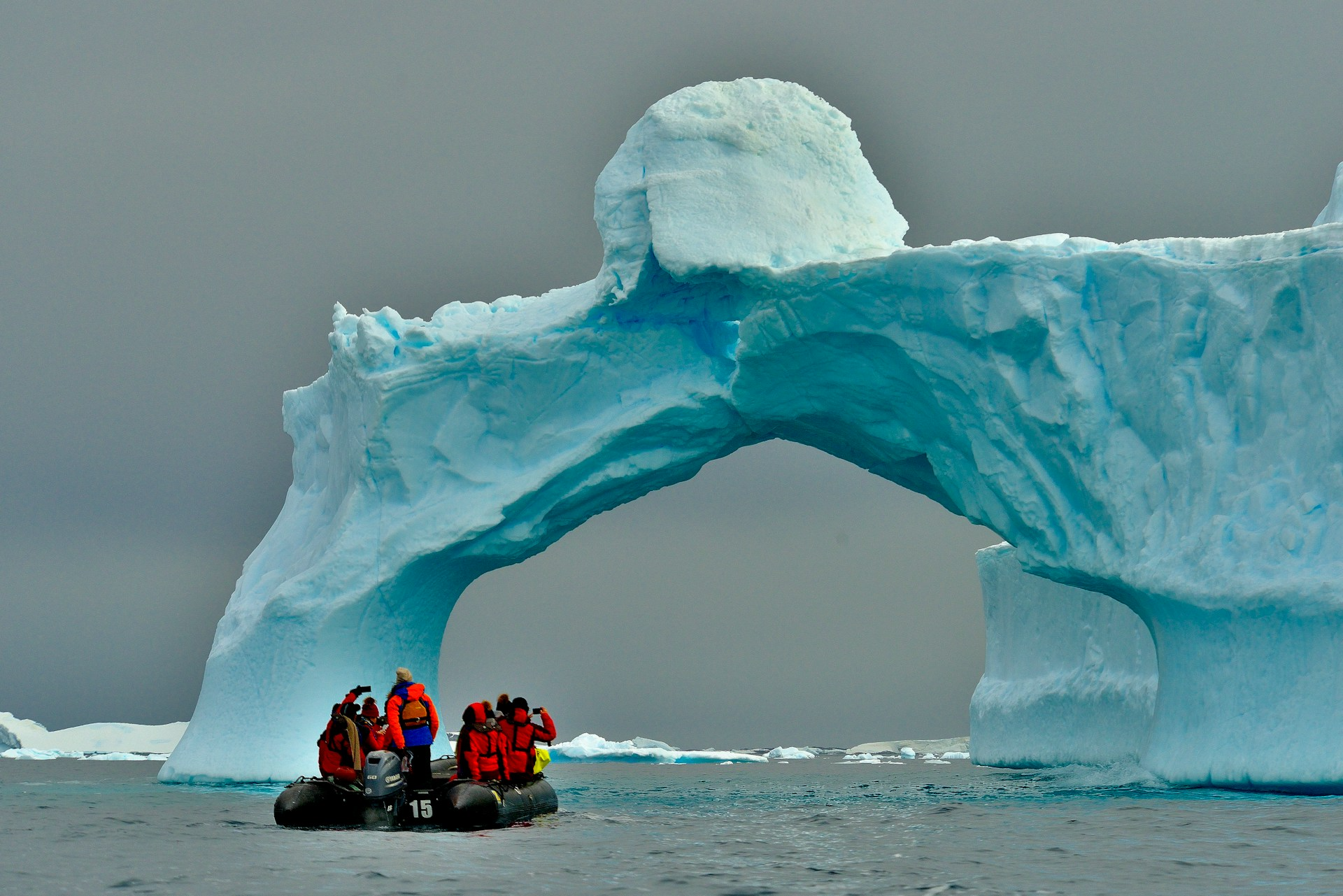
It usually happens on the morning of the third day. For two nights the ship has been climbing and falling across the Drake Passage, and the dining room has been quieter than anyone expected. Then someone on the bridge says a single word over the speakers, and people who have barely left their cabins appear on deck in pyjamas and borrowed jackets. Out on the grey water, still far away and impossibly white, is the first iceberg.
Nobody talks much in that moment. The cold reaches your face before your brain catches up with what you are looking at. Behind it, low on the horizon, there is a line of mountains that looks like weather until you realise it is land. That is Antarctica, and that is the moment most people paid for.
But before any of that, there is a less romantic moment: the one where you open a booking page and see the price. This guide is for that moment. We have pulled together real published fares for the 2027–28 season, the costs that are not on the cruise invoice, and an honest look at which kind of trip gives you the most for your money.
The short answer
For the 2027–28 season, published lead fares for a classic Antarctic Peninsula voyage from Ushuaia start at roughly US$10,500 to $12,700 per person. Fly-the-Drake trips start at roughly $13,600. Antarctic Circle crossings start at roughly $13,400, and voyages that add the Falklands and South Georgia start at roughly $19,600. Add $1,500 to $4,000 for flights to South America, insurance, gear, tips and extras. A realistic all-in budget for a classic voyage is therefore about $12,000 to $17,000 per person, before luxury upgrades.
Planning the whole trip, not just the budget? Our complete guide on how to plan an Antarctica trip covers the best time to go, how to get there, what to pack and how to choose an expedition.
What Changed for the 2027–28 Season
Antarctic tourism is no longer a niche. According to figures from the International Association of Antarctica Tour Operators (IAATO), the 2025–26 season recorded about 85,200 landed visits, 27,200 cruise-only visitors who saw the continent from the ship without going ashore, and around 1,100 deep-field visitors. That is roughly 113,500 people in total, slightly below the 118,491 recorded in 2024–25 but another season above 100,000.
That growth is why governments are paying attention. At the Antarctic Treaty Consultative Meeting held in Hiroshima in May 2026, tourism management was on the agenda again. The parties agreed to keep discussing how to regulate and monitor tourism, but no binding visitor caps or tourism fees were adopted. For travellers booking 2027–28, that means the current rules still apply, and the existing landing limits remain the main factor shaping your experience on shore.
On the price side, the picture is mixed. Several operators are advertising early-booking savings on 2027–28 departures, while the most popular weeks around Christmas and January remain the most expensive of the season.
Antarctica Cruise Prices by Trip Type (2027–28)
These are published "from" fares: the lowest cabin, per person, sharing a twin room. Bigger cabins, balconies and suites cost more, sometimes far more.
| Trip type | Typical length | Published from-fares | Examples |
|---|---|---|---|
| Classic Antarctic Peninsula (by sea) | 10–13 days | About $10,500 to $12,700; luxury lines $21,000+ | Intrepid Classic Voyage $10,536 (Mar 2028); Poseidon 11 nights $11,321 (Feb 2028); Swan Hellenic 9 nights $12,650 (Jan 2028); Silversea 10 nights $21,100 |
| Fly the Drake | 6–10 days | About $13,600 to $26,600 | Lindblad 9 days from $13,608; Antarctica21 from $13,795; Silversea 6-night fly-cruises $15,300 to $26,600 |
| Antarctic Circle crossing | 13–16 days | About $13,400 to $28,500 | Intrepid 14 days $13,395 (Dec 2027); Viking 14 nights $18,999 (Nov 2027); Scenic 15 nights $28,495 (Dec 2027) |
| Falklands, South Georgia & Antarctica | 19–24 days | About $19,600 to $29,100+ | Intrepid 21 days $19,625 (Oct 2027); Antarctica21 19 nights $24,995 (Nov 2027); Intrepid 23 days $29,095 (Feb 2028) |
Sources: Intrepid Travel (November 2026), Small Ship Travel price survey (July 2026), Antarctica21 (November 2026). Some fares above are promotional and may not last.
Two patterns stand out. First, the cheapest way to see Antarctica is the classic sea voyage from Ushuaia, especially early or late in the season. Second, the price per night rises sharply when you fly. One price survey found fly-in trips cost roughly 30 to 100 percent more per night than comparable sailings. You are paying to swap four days at sea for a two-hour flight.
Want to see real departures side by side? Compare Antarctica expeditions by length, ship, route and month, with full itineraries and verified traveller reviews.
The Total Cost: What Is Not on the Cruise Invoice
The cruise fare is the biggest number, but it is not the only one. These are the costs travellers most often forget, with the ranges published in a 2026 survey of operators and fares.
| Cost | Typical range (USD) | Notes |
|---|---|---|
| Flights to Buenos Aires (from the US) | $530 to $1,200 return | From further away, budget more. One estimate puts Auckland to Buenos Aires at about $1,400. |
| Buenos Aires to Ushuaia | $108 to $272 return | Some operators include a charter flight. Check before you book your own. |
| Hotel nights and transfers | $150 to $300 | Included by some luxury lines. Plan at least one night before embarkation. |
| Medical and evacuation insurance | $200 to $500 | Compulsory. See the minimum cover below. |
| Expedition gear | $600 to $1,000 | Waterproof trousers, base layers, gloves. Some operators lend boots or include a parka, so check what is provided before you shop. |
| Tips | $150 to $600 per trip | Included on some luxury lines. |
| Sea kayaking | $700 to $2,000 | Limited places, book early. Included by some operators. |
| Camping on the ice | $150 to $400 | One night, weather permitting. |
| Total extras | $1,500 to $4,000 | Before optional activities, if you skip them. |
Why the insurance requirement is not a formality
Expedition operators will not let you board without proof of insurance that covers emergency medical evacuation. Oceanwide Expeditions, for example, requires at least US$100,000 of evacuation and repatriation cover per person for the Antarctic Peninsula, rising to $300,000 for the Ross Sea. Across the industry, published requirements range from about $100,000 to $500,000.
The reason is simple geography. There are no hospitals on the Antarctic Peninsula. A serious illness or injury can mean turning the ship around or arranging a flight from a remote airstrip, and that can cost more than the trip itself. Many standard travel policies exclude polar regions or cap evacuation too low, so check the wording, not just the headline. Our travel insurance comparison explains what to look for in the policy wording.
A worked example
A traveller from the United States choosing a classic 12-day voyage at about $11,000, flying economy, skipping kayaking and buying gear sensibly might spend roughly $11,000 + $2,000 in extras, so about $13,000 in total. Add kayaking and a more comfortable cabin and that quickly becomes $16,000 or more. This is an estimate built from the ranges above, not a quote.
Trip Types Explained
1. The classic Antarctic Peninsula voyage

This is the trip most people mean when they say "Antarctica". You sail from Ushuaia in Argentina, cross the Drake Passage in about two days, spend four or five days making landings and Zodiac cruises along the Peninsula, then cross back. Total length is usually 10 to 13 days.
It is the best value because it is the most efficient route to the continent, and it is where about 98 percent of tourist voyages operate. The trade-off is the Drake Passage, twice.
2. Fly the Drake
Instead of sailing, you fly about two hours from Punta Arenas in Chile to King George Island in the South Shetlands and board the ship there. You gain time and avoid the open-ocean crossing. Some trips fly one way and sail the other.
It costs more per day, and it relies on a safe weather window for the flight. If a flight is delayed, so is the start of your voyage. Before booking, ask the operator how they handle weather delays and leave a spare day before your flight home.
3. Antarctic Circle crossing
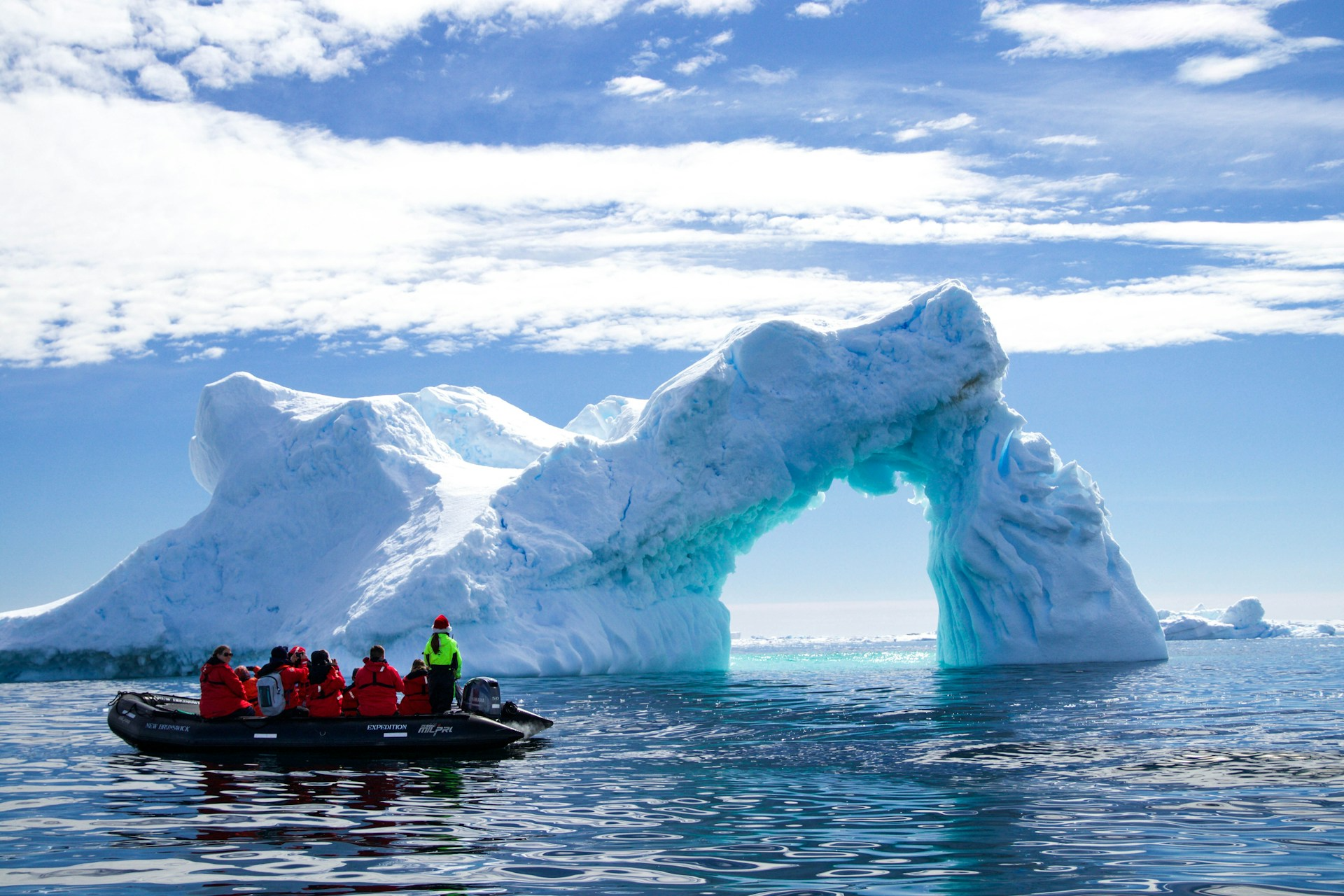
These voyages push further south, past 66°33'S, where the sun does not set in midsummer. You get more remote scenery, more sea ice and fewer other ships. They add two or three days and usually several thousand dollars. Ice conditions decide whether the ship actually reaches the Circle, so read the operator's wording carefully.
4. Falklands, South Georgia and Antarctica
This is the long, complete journey, usually 19 to 24 days. South Georgia is home to some of the largest king penguin colonies in the world, and its wildlife density is unlike anywhere on the Peninsula. It is also the most expensive option, and it adds more days at sea. If you can only go once and have the time, this is the route we would point you to. If time or budget is tight, the classic Peninsula voyage covers the essentials.
Ushuaia vs Flying the Drake
The Drake Passage is just under 1,000 kilometres wide. Intrepid Travel describes a typical crossing as about 48 hours from Ushuaia, with swells of 3 to 4 metres and, in very bad weather, as much as 7 to 8 metres. On a calm crossing, swells can be around a metre and the ship barely rocks.
| Factor | Sail from Ushuaia | Fly the Drake |
|---|---|---|
| Price | Lowest fares of the season | Roughly 30 to 100% more per night |
| Time | About 4 days at sea in total | About 2 hours each way by air |
| Seasickness | Likely for some people, sometimes severe | Avoided on the flown leg |
| Main risk | Rough seas | Weather delays to the flight |
| Experience | Seabirds, lectures, the "earned it" feeling | More time in Antarctica per day of holiday |
Our honest view: if seasickness genuinely frightens you, or you only have a week of leave, flying is worth the premium. If budget matters more than time, sail, take the medication your doctor recommends, and accept that two days of discomfort are part of the story you will tell later.
For the full comparison, including what each option means for your itinerary, see our guide to Antarctica cruise vs fly-cruise.
Best Time to Visit Antarctica, Month by Month
The season runs from about late October to March. No tourist ships operate in the dark, frozen months from April to October.
| Month | Wildlife | Ice and light | Price |
|---|---|---|---|
| November | Penguins and seals courting and nesting | Fresh snow, sharp icebergs, more sea ice | Shoulder season, often lower |
| December | Gentoo, Adélie and chinstrap penguins nesting | Near 24-hour daylight close to the Circle; more landing sites reachable | High, highest around Christmas |
| January | Busy colonies, seals on the ice | Warmest month, up to about 10°C; best for Circle crossings and kayaking | Peak |
| February | Penguin chicks learning to swim; whales arriving | Long days, less ice | High |
| March | Whales feeding before migrating; seals moulting | Shorter days, dramatic sunsets, colder | Shoulder season, often the lowest fares |
The price evidence supports the shoulder months. Among Intrepid's current Antarctica departures, the lowest fares are on March voyages: its 11-day whale-season trip departing on 18 March 2027 is listed from $9,895, and its 12-day classic voyage departing 21 March 2028 from $10,536. If you care most about whales and price, March is hard to beat. If you want pristine snow and courting penguins, November is beautiful. If you want the warmest weather and the best chance of crossing the Circle, January is the month, and it is priced accordingly.
Want the seasonal picture beyond price, including wildlife and daylight? See the best time to visit Antarctica section of our trip guide.
Why Ship Size Matters More Than You Think

This is the single most important detail on an Antarctica booking page, and the easiest one to miss. The rules agreed under the Antarctic Treaty and followed by IAATO members limit how many people can be on land at once:
- No more than 100 people from a ship may be ashore at one site at the same time.
- There must be at least one guide for every 20 visitors.
- Only one ship may land passengers at a site at a time.
- Ships carrying more than 500 passengers may not land anyone at all.
- Ships carrying 201 to 500 passengers face tighter limits on where and when they can land.
Do the maths. On a ship with 100 passengers or fewer, everyone can be ashore together. On a ship with 200, the group is split into shifts, so each person gets roughly half the time on land at every stop. On a large cruise ship with more than 500 passengers, you see Antarctica from the deck and never set foot on it.
When you compare prices, compare time ashore, not just days. A cheaper fare on a larger ship can mean less of the experience you are actually paying for.
How to Save Money Honestly
- Travel in the shoulder season. As shown above, November and March departures often carry the lowest fares of the season.
- Book early. Operators commonly advertise early-booking savings, which one guide estimates at 10 to 30 percent off standard fares, and recommends booking about a year ahead. Genuine last-minute bargains are rare.
- Choose the lowest cabin category. Lower-deck triple or twin cabins carry the lowest fares. You will spend little time in the cabin anyway.
- Solo? Ask about room-sharing. Single supplements range from nothing to about 75 percent of the twin fare. Some operators waive the supplement on selected sailings or match you with a same-gender roommate.
- Check what is included. A slightly higher fare that includes the hotel night, transfers, a charter flight or kayaking can work out cheaper than a lower fare with everything extra.
Looking for shoulder-season fares? Filter Antarctica departures by month and compare November and March voyages against peak-season dates.
Who Antarctica Is Not For
Honesty matters on a purchase this size. Antarctica is probably not the right trip if:
- You have limited mobility. Getting into a Zodiac from a moving ship and stepping onto rocky, slippery beaches takes balance and some strength.
- You suffer badly from seasickness and cannot fly the Drake. Two days in rough seas, twice, can be miserable.
- You need a fixed schedule. Weather and ice decide where the ship can go. Landings are cancelled without warning, and itineraries are always a plan, not a promise.
- The cost would strain your finances. This is a once-in-a-lifetime trip for most people. It should feel exciting, not stressful.
- You want luxury comfort on a small budget. At the lower end of the market, ships are comfortable but simple.
For the fitness and mobility requirements in detail, read what to know before you go to Antarctica, and see what to bring in our Antarctica packing checklist.
Is Antarctica Worth the Money?
For the right person, yes, and it is rarely regretted. Very few places on Earth still feel genuinely wild, and the combination of ice, light, silence and wildlife that has never learned to fear people is hard to find anywhere else.
It is worth it if you go with clear expectations: a budget that includes the extras, a ship small enough to get you ashore, and a season that matches what you want to see. It is less worth it if you choose the cheapest fare on a large ship, spend two days seasick, and find you are only allowed ashore for an hour at a time.
The best value for most first-time visitors is a classic Peninsula voyage on a ship of 200 passengers or fewer, in November or March. If you have the time and budget for one longer trip in your life, add South Georgia.
Ready to compare real voyages? See Antarctica expeditions side by side by ship size, route, month and price, then read the full itinerary before you decide.
Compare Antarctica expeditions →Before you book: travel insurance with polar cover · eSIM for Argentina and Chile · Antarctica trip guide
Frequently Asked Questions
How much does a trip to Antarctica cost?
What is the cheapest way to go to Antarctica?
What is the best time to visit Antarctica?
Is it better to sail from Ushuaia or fly the Drake?
How rough is the Drake Passage?
Why does ship size matter in Antarctica?
What travel insurance do I need for Antarctica?
Is Antarctica worth the money?
Sources
All figures checked in November 2026. Fares change frequently and promotional prices may end without notice.
- ICAS: Antarctic tourism after ATCM 48 (IAATO 2025–26 figures)
- MercoPress: Another Antarctica season of over 100,000 visitors (May 2026)
- German Environment Agency: Tourists in Antarctica (landing rules)
- Intrepid Travel: Antarctica cruises from Ushuaia 2027/2028
- Intrepid Travel: Best time to visit Antarctica
- Intrepid Travel: How long does it take to cross the Drake Passage?
- Small Ship Travel: How much does an Antarctica cruise cost? (2027–28)
- Viva Expeditions: The cost of an Antarctica cruise in 2027–2028
- Antarctica21: Itineraries
- Oceanwide Expeditions: Insurance requirements
- Polartours: Mandatory insurance
Related Posts
-
 Antarctica
How to Plan an Antarctica Trip
Best time, routes, packing and how to compare expeditions.
Read more →
-
Insurance
Best Travel Insurance Companies Reviewed
Seven companies compared on what actually pays out.
Read more →
-
Group Tours
Intrepid Japan Express Review
Is the 9-day Tokyo to Osaka group tour worth it?
Read more →